
Summer Isn’t Easy for Everyone
Everyone else seems excited for summer… but if you’re recovering, it can feel like a minefield of triggers.”
Discover how to navigate summer with ease and self-compassion. Learn strategies to maintain a healthy relationship with food and body image during the warmer months.
Nourish Your Summer
The Power of Consistent Eating
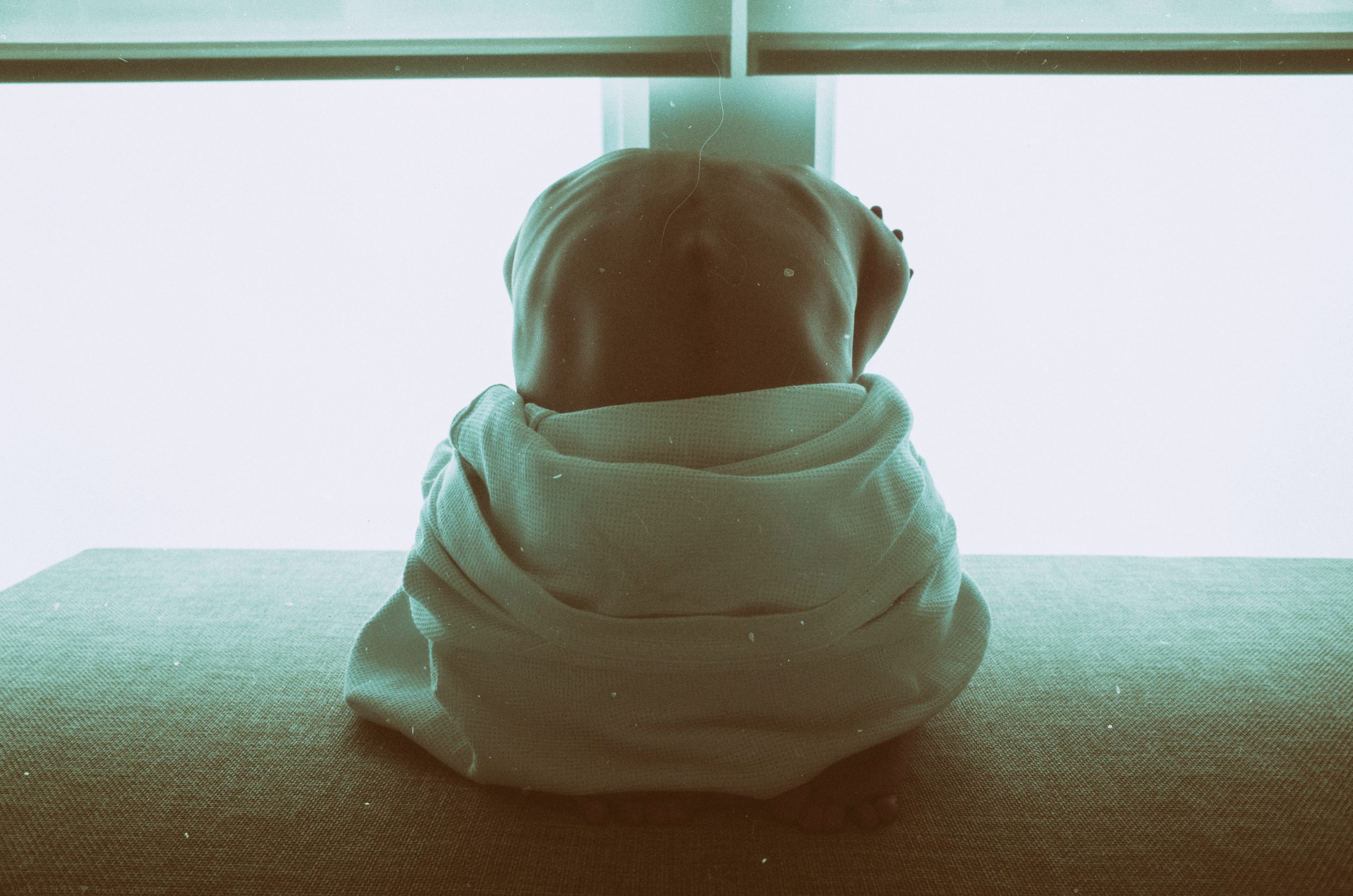
When you’re in recovery from an eating disorder, the arrival of summer can bring more dread than delight.
While others are planning BBQs and beach trips, you might be bracing for:
➔ Constant social media posts about “summer bodies”
➔ Pressure to wear revealing clothes
➔ Unstructured days that disrupt your routine
➔ Outdoor eating and unexpected food challenges
You are not alone in feeling this way. Recovery in the summer is challenging, and it’s rarely discussed.
Why Summer Can Be So Triggering
1. The illusion of the ‘perfect’ summer body
From April onwards, our screens are flooded with “before and after” photos, dieting ads, and gym selfies. The message? If you haven’t shaped up, you’ve failed. But here’s the truth:
➔ These ideals are often unattainable without extreme restriction or obsessive training.
➔ Many of the bodies we see online are filtered, posed, or linked to unspoken eating disorders.
What you’re admiring might be someone else’s suffering, and it’s fuelling your own comparison trap.
2. More skin, more shame
Summer clothing means less coverage. For someone in recovery, that might mean:
➔ Increased body checking
➔ Avoiding mirrors or obsessively looking in them
➔ Feeling exposed or unsafe in your own skin
It can feel like your body is suddenly public property, judged by others, or more painfully, judged by your inner critic.
3. Food everywhere, routine nowhere
➔ Spontaneous picnics
➔ Outdoor ice cream stops
➔ All-day grazing during family holidays
These things might sound fun to others, but for someone rebuilding a relationship with food, they can be overwhelming.
Unpredictable meal times, unfamiliar foods, or being surrounded by people eating “intuitively” when you’re still learning how, is hard.
4. Isolation and avoidance
Many people in recovery choose to withdraw in the summer:
➔ Baggy clothes to hide their body
➔ Saying no to social events
➔ Feeling like they’re “the only one” struggling
But avoidance makes your world smaller. And disconnection feeds the eating disorder voice.
Finding Comfort in the Shade
What the Brain Needs in Recovery (Neuroscience Insight)
When you’re recovering, your brain undergoes intense rewiring.
➔ The prefrontal cortex (responsible for decision-making and emotional regulation) is often under strain.
➔ The amygdala (your fear centre) can be hyperactive, especially around body image or food threats.
➔ Dopamine (the feel-good neurotransmitter) can be dysregulated, particularly in neurodivergent individuals or those with trauma histories.
This means:
-
Social media comparison hits harder
-
Spontaneity can feel dangerous, not fun
-
Reward circuits might still be tied to restriction or over-exercising
Recovery isn’t just about food. It’s about calming a brain that’s been wired to fear nourishment, softness, and rest.
Affirmations for Self-Acceptance
Summer ED Recovery Survival Kit
Here are some gentle, practical ways to make this summer feel safer:
1. Create a Summer Bucket List (That’s Not About Weight)
Focus on experiences over appearance. Some ideas:
✔ Visit a sunflower field
✔ Watch the sunset with a friend
✔ Try a new iced coffee flavour
✔ Journal under a tree
✔ Join a paddleboard session in a wetsuit
2. Plan Your Outfits Ahead of Time
Give yourself time to get used to clothes that feel okay, not perfect.
➔ Stick to what’s breathable and soft
➔ Choose colours that make you feel good
➔ Layer if that adds comfort
3. Structure Still Matters
Just because it’s summer doesn’t mean you have to “wing it.”
➔ Keep regular meals and snacks
➔ Use the Recovery Record app or a gentle food journal
➔ Prep a “go-to” summer meal list (cool pasta, smoothies, wraps)
4. Create a ‘Safe-Scroll’ Social Media List
Unfollow diet culture. Fill your feed with:
➔ Body-neutral influencers
➔ Neurodivergent creators
➔ Recovery advocates
➔ Real people, real bodies
5. Find Shade, Literally and Metaphorically
If heat makes eating hard, go for:
➔ Cold foods (wraps, yoghurt bowls, ice lollies)
➔ Hydration-focused options (milkshakes, smoothies, juicy fruits)
➔ Indoor or shaded spaces if you’re overheating or overstimulated
Navigating Summer Challenges
Affirmations to Anchor You
Here are some affirmations you can return to when the eating disorder voice gets louder:
➔ I don’t need to change my body for the season; my body is not the problem.
➔ I deserve rest, joy, and connection, no matter what I look like.
➔ Nourishment is strength, not failure.
➔ Every time I choose to show up, I’m choosing life.
➔ I’m allowed to take up space in summer, physically and emotionally.
Embrace Your True Worth
My Own Experience With Summer Triggers
I know how summer can feel. There have been years when I’ve wanted to stay inside, hide under jumpers, or cancel every plan. The pressure to enjoy the season when you’re battling your body is real.
But every time I made a small, brave choice, sitting outside with a friend, eating the burger even when my brain screamed no, going for the swim even in a baggy t-shirt, I reclaimed a little more of my life.
That’s what recovery is. Tiny acts of rebellion. Tiny wins.
Reflective Conclusion
Final Thought , You Don’t Need a “Summer Body” to Have a Summer
Your worth isn’t seasonal.
Your healing doesn’t need to be rushed.
And you deserve to enjoy the light, the connection, and the food, just as you are.
Join Our Supportive Community
If you found this blog helpful, I share honest, trauma-informed insights every single week on recovery, self-worth, and what it means to feel good in your skin.
No spam. Just words that lift you up.

Meet Becky Stone
I’m Becky Stone, a qualified eating disorder therapist based in the UK. I work with both teens and adults, offering a calm and non-judgmental space to explore what recovery truly means, on your terms. With a background in supporting people through anorexia, bulimia, binge eating, and body image struggles, I know how complex and personal this journey can be.
My work is shaped by both professional training and personal experience, which enables me to connect with clients authentically and genuinely. I specialise in supporting neurodivergent individuals, including those with ADHD and autism, and I believe in flexible, shame-free recovery.