
Struggling with Hunger Cues: ADHD, Autism, and the Battle to Regulate Eating
Have you ever found yourself eating and eating, not because you’re hungry, but because you can’t quite feel when to stop?
You’re not alone.
For many people with ADHD or autism, recognising hunger and fullness cues is a daily struggle.
It’s not about being greedy. It’s about the brain and body being out of sync.
Empower Your Journey
Take the First Step
Understanding ADHD and Eating
Why It Feels So Frustrating
If you’re neurodivergent, you might:
-
Go hours without realising you’re hungry, and then suddenly feel ravenous
-
Feel “nothing” when you eat, unless the food is really exciting
-
Overeat past fullness because the signal to stop doesn’t fire.
-
Feel overwhelming shame after a binge, wondering why it happened again.
This cycle can feel never-ending, especially when you see others eating “normally” and wonder what’s wrong with you.
The Neuroscience Behind It
ADHD and autism can affect interoception, your ability to sense internal signals, such as hunger, thirst, or temperature.
When interoception is low:
-
You might only feel hungry when it’s too late, and then panic eat
-
You may struggle to feel full or satisfied, even after a big meal
-
The body overcompensates, often leading to binge-restrict cycles
And let’s not forget the dopamine. ADHD brains crave stimulation. Food (especially sugary or salty food) gives us a quick hit. That’s not a lack of willpower, it’s brain chemistry.
So What Actually Helps?
Building Consistent Habits
Here’s what I teach my clients, and what’s helped me too.
➤ Structure Over Willpower
Trying to “just stop eating so much” is like asking someone to swim with no arms.
What helps is structure, routine, and predictability:
-
Eat every 2–3 hours, even if you’re not hungry yet.
-
Prep snacks like Babybels, ham slices, protein yoghurts, hummus + crackers
Your body will start to trust you again, and signals will slowly return.
➤ Try Eating with a Blindfold
It might sound odd, but hear me out.
If you struggle to connect to your body while eating, covering your eyes reduces distractions and helps you feel your food again.
-
Great for those who eat in front of screens
-
Encourages you to notice textures, flavours, and satisfaction
-
Slows down the pace and builds awareness
➤ Turn Off the TV
Eating with the TV on stops you from tuning in.
Try this instead:
-
Sit at a table
-
Take a few deep breaths.
-
Ask yourself: Can I taste this? Am I full? Do I want more, or am I bored?
It may sound small, but it re-trains your awareness.
The Impact of Structured Eating on ADHD
Wholegrains Sound Boring… But They Help
Wholegrain foods like:
-
Brown rice
-
DELECCO high-protein pasta
-
Seeded bread
-
Oats
…help stabilise blood sugar. This means:
-
More sustained energy
-
Fewer crashes that lead to emergency hunger
-
Better emotional regulation and focus
Batch cooking helps. Use:
-
A rice cooker
-
Air fryer or George Foreman grill for protein
-
Slow cooker for easy stews and prep-ahead meals
You don’t need to make Instagram-worthy plates.
You need food that fuels your body and doesn’t leave you exhausted.
Mindful Eating Practices
What About the Shame?
If you’ve grown up being told:
-
“You’re greedy”
-
“You just need to control yourself”
-
“You’re lazy with food”
…then you’re probably holding onto shame that isn’t yours.
When your body hasn’t been listened to, it stops talking.
When it’s punished or ignored, it rebels.
You are not broken.
You are not greedy.
You are not a failure.
You need a different way, one that works for your brain.
Distractions and Eating
You Deserve Nourishment, Not Punishment
Eating regularly, even when you don’t feel hungry, is one of the kindest things you can do for your nervous system.
When we consistently nourish ourselves, we feel more stable.
We can think clearly.
We can begin to trust ourselves again.
Your body will learn to trust you when you start trusting it.
Subscribe for Weekly Insights
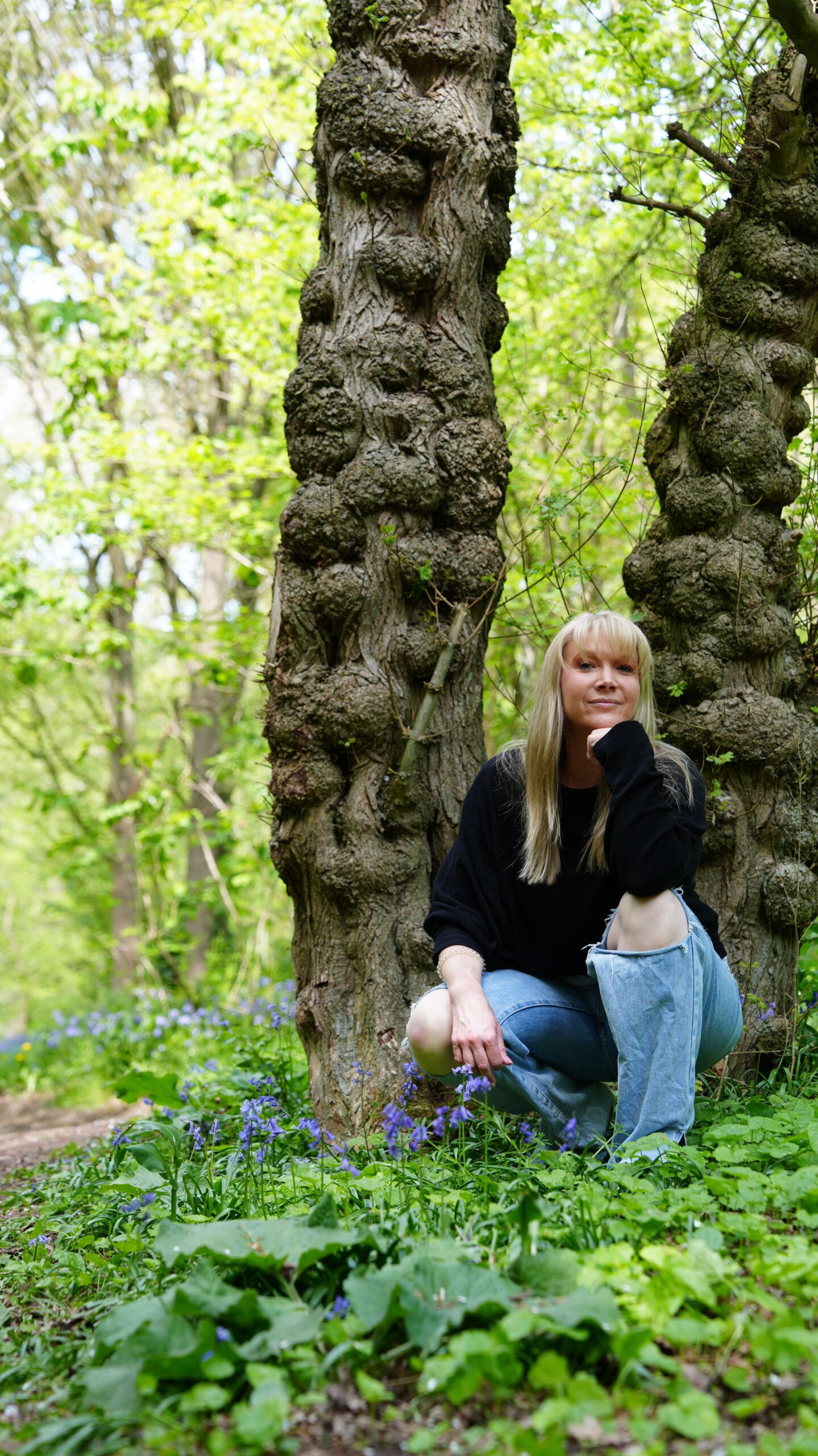
Meet Becky Stone
I’m Becky Stone, a qualified eating disorder therapist and supervisor based in Canterbury, Kent. I help adults and teens rebuild a calm, trusting relationship with food, body, and identity. As someone who is ADHD and dyslexic, I know what it’s like to feel different and misunderstood.
I work online and offer walk-and-talk therapy in nature. My approach is trauma-informed, neurodiversity-affirming, and deeply human. Whether you’re navigating bingeing, restriction, food anxiety or the exhausting loop of diet culture, I meet you where you are, without shame or pressure.
This isn’t about food plans or “fixing” yourself.
It’s about understanding your story, feeling safe in your body, and finally being seen.
Therapeutic Expertise
I specialise in eating disorders, body image issues, and supporting neurodivergent clients, including those with ADHD and autism. My training combines psychology, lived experience, and years of working with clients struggling with anorexia, bulimia, binge eating, and emotional dysregulation.
I’ve also supported parents, carers, and professionals through supervision and joint care planning. I’m especially passionate about working with teenagers, late-diagnosed adults, and those who feel stuck between identities, like the perfectionist who’s silently burning out, or the high-achiever who doesn’t know how to rest.
In every session, I bring warmth, directness, and honesty because recovery isn’t linear, and you shouldn’t have to pretend to be okay.
A Compassionate Approach
Therapy should feel like a safe and gentle place to land, not a test you have to pass.
That’s why my work is built on connection, curiosity, and safety. I use tools like the Recovery Record app, somatic tracking, psychoeducation, and values-led coaching, but only if they work for you. My clients often describe me as calm, genuine, and easy to talk to – someone who gets it, because I’ve lived it too.
Whether you’re dealing with food shame, executive dysfunction, mirror anxiety, or just feeling overwhelmed, I’m here to help you find your rhythm, not follow someone else’s rules.
You deserve support that sees the full you:
🧠 Neurodivergent
💬 Complex
❤️ Worthy of care
…Even on the hard days.