
Understanding Body Comments
Navigating Body Talk with Confidence
Why People Comment on Bodies
The Psychology Behind Body Comments
We’ve all been there.
Someone says something like “Ooh, someone’s been enjoying the biscuits,” or “Those jeans are looking a bit snug.”
They laugh it off. They might even say “I’m only joking” but it doesn’t feel funny.
For many of my clients (and me, too), it’s not the loud insults that cut the deepest. It’s the quiet, consistent, backhanded comments, the snide ones. The “Are you going to eat that?” looks. The “just looking out for you” fake concern. The “you’ve got a pretty face, though” throwaway line. These aren’t just uncomfortable, they’re damaging.
When Workplace Comments Hurt
Recognizing Workplace Bullying Disguised as Banter
Often, body-shaming comments are a projection.
People comment on your body because they are deeply uncomfortable in their own.
They might:
-
They are stuck in a diet culture mindset themselves
-
Use humour as a mask for their own insecurities
-
Believe that commenting on appearance is just “normal banter”
-
Have never been taught that respecting boundaries is a form of kindness
None of these are excuses. But understanding the root helps you not take it on as truth.
Stop Commenting on My Body: A Sentence That Changes Everything
Why Do People Feel the Need to Comment on Bodies?
Setting Boundaries with Confidence
Effective Responses to Inappropriate Comments
- “I prefer not to discuss my body. Let’s focus on something else.”
- “Your comment is not helpful. Please refrain from making such remarks.”
- “I’m working on self-acceptance, and comments like these are not supportive.”
- “Let’s keep our conversation respectful and avoid discussing appearances.”
- “I find these comments uncomfortable. Can we change the topic?”
Using these phrases can help protect your mental well-being and set clear boundaries, ensuring that conversations remain respectful and supportive.
When it Happens at Work: The Hidden Harm of Normalised Body Talk
Workplaces are supposed to be safe, professional environments. But for many people, especially women and those in marginalised bodies, work can become another arena for microaggressions and shame.
Clients have told me stories like:
-
Being offered smaller portions in meetings with the words “you’re watching your figure, right?”
-
Getting a nickname based on body size
-
Being laughed at for eating carbs at lunch
This isn’t banter. This is bullying.
How It Affects Your Mental Health
Being criticised about your body, especially in front of others, triggers a primal stress response. It can:
-
Increase anxiety and shame
-
Lead to obsessive thoughts about food, appearance or weight
-
Reignite past disordered eating patterns
-
Leave you feeling hyper-aware of your body in social situations
-
Causes you to withdraw, avoid work events, or struggle with confidence.
For people who are neurodivergent, highly sensitive, or have past trauma, these comments land even harder.
Steps to Take if Harassment Persists
How to Set a Boundary That Shuts It Down
You do not need to explain, justify, or laugh along to make others feel comfortable.
Here are 5 firm but emotionally intelligent ways to respond:
1.
“That’s not appropriate. Please don’t comment on my body.”
This is direct, clear, and sets a boundary with authority.
2.
“I’m here to work, not talk about my appearance. Let’s keep it professional.”
Perfect for workplace settings, it gently reminds them of the context.
3.
“I’m working hard to treat my body with kindness. Comments like that aren’t helpful.”
You bring the focus back to self-care and make it hard for them to justify the snideness.
4.
“I know you might think that was a joke, but it wasn’t funny. Please don’t speak to me like that again.”
This works when someone hides behind humour.
5.
“Let’s not talk about bodies today.”
A soft, simple deflection, great if you don’t feel up to confrontation.
Tired of being the ‘quiet one’ who never answers back?
What If You Freeze?
If you’ve ever walked away from a conversation, replaying it 100 times thinking “I should have said…” you’re not alone.
That freeze is part of your nervous system’s protection mechanism. In that moment, your body might go into fawn or freeze mode, especially if you’ve experienced trauma or bullying before. It’s not a weakness. It’s a protective reflex.
Write down your go-to response now so next time, it’s easier to access. Even a short “Please don’t speak to me like that” can shift the dynamic.
Exploring Self-Compassion
What If They Keep Doing It?
If it’s ongoing and impacting your wellbeing:
-
Document everything, including dates, times, and comments
-
Speak to HR or a manager you trust
-
Bring a colleague into the loop if you feel safe to
-
Don’t let them gaslight you into thinking you’re “too sensitive”
Your body is yours. Your space is yours. Your worth is not up for group discussion.
Building Resilience Against Body Criticism
You Are Not the Problem, The Culture Is
In a world that profits from body shame, having confidence is rebellious.
So many of us have grown up with “harmless” jokes that weren’t harmless at all. We’ve been trained to smile, shrink, or joke back. But no more.
You deserve to feel safe at work, in friendships, and your own skin.
Let’s raise a generation that learn to say:
➔ “My body is not up for discussion.”
➔ “I’m allowed to take up space.”
➔ “Kindness isn’t conditional on weight.”
If this resonates with you, you’re not alone. There’s nothing wrong with your body. There is something wrong with a culture that teaches people to mock it.
Subscribe for Supportive Insights
Want More Like This?
➔ Sign up here to get weekly support straight to your inbox
No spam. Just words that lift you up.
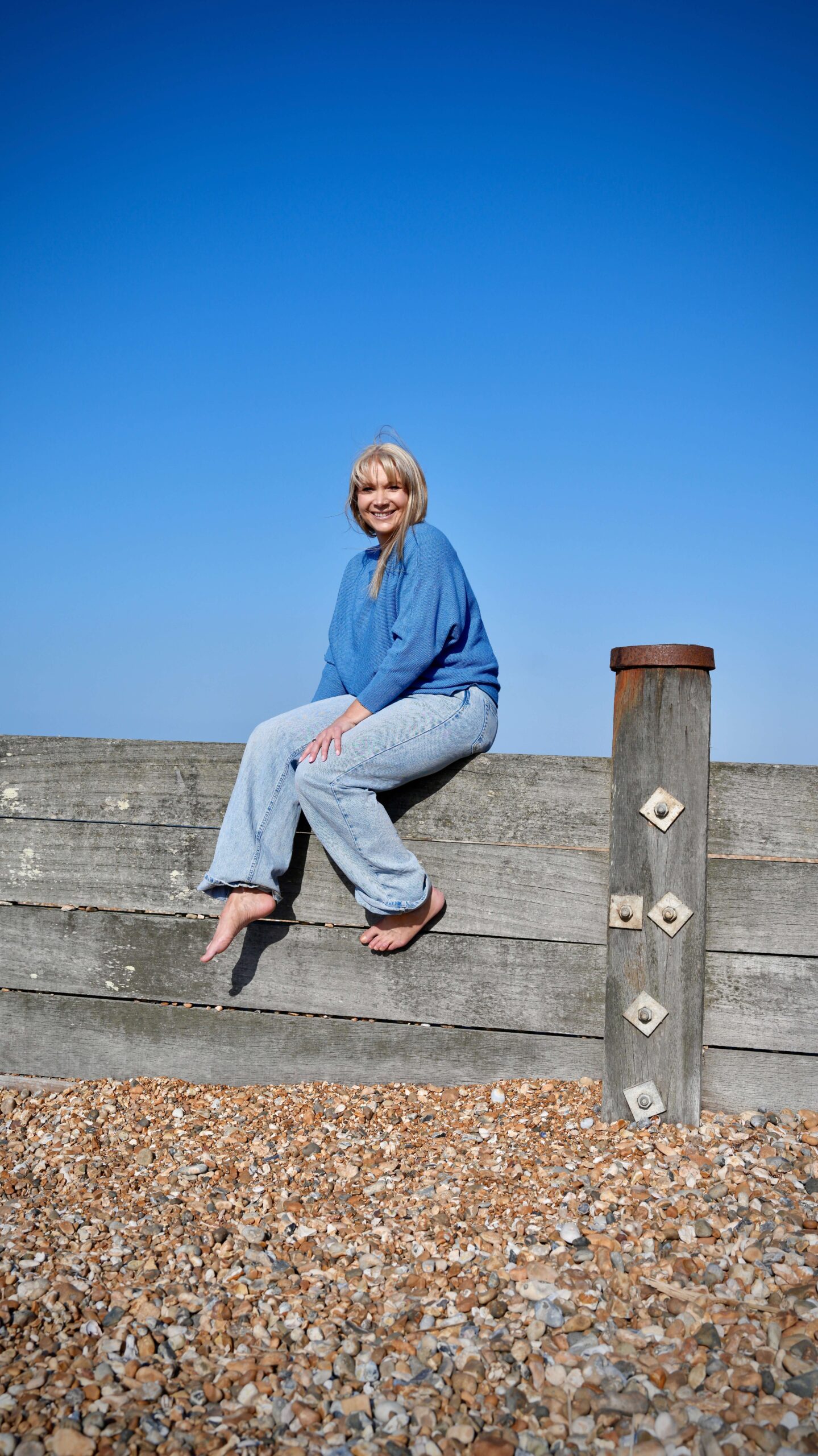
Therapist and Eating Disorder Specialist
Becky Stone
I’m Becky Stone, a qualified eating disorder therapist based in Canterbury. I work with adults and teens across the UK who feel stuck in cycles of body shame, bullying, and burnout. My approach is trauma-informed, body-positive, and rooted in lived experience. I understand what it’s like to be judged, and how healing it is to feel seen finally. Whether you’re recovering from disordered eating, setting boundaries at work, or rebuilding confidence, you deserve support that gets it.