
Understanding Orthorexia
When “Healthy” Eating Turns Harmful: The Rise of Orthorexia in Teen Boys
Explore the complexities of orthorexia and discover how to achieve a healthier relationship with food and fitness.
Meet Becky Stone
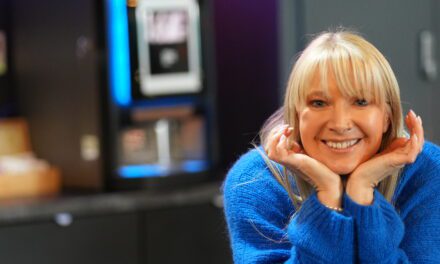
I’m Becky Stone, a qualified eating disorder therapist based in the UK. I work with both teens and adults, offering a calm, non-judgmental space to explore what recovery really means, on your terms. With a background in supporting people through anorexia, bulimia, binge eating, and body image struggles, I know how complex and personal this journey can be. My work is shaped by both professional training and lived experience, which helps me connect with clients in a real, honest way. I specialise in supporting neurodivergent individuals, including those with ADHD and autism, and I believe in flexible, shame-free recovery.
Understanding Orthorexia

Focus on Food Purity
Orthorexia is characterized by an obsession with eating foods that one considers healthy, often leading to restrictive eating patterns.
Ritual Over Weight
Unlike anorexia, orthorexia is more about the rituals and perceived purity of food rather than weight loss.
Social and Emotional Impact
This condition can severely impact social interactions and mental health, as individuals may avoid meals that don’t meet their strict criteria.
The obsession no one talks about
Orthorexia isn’t a word many people know.
But it’s happening, quietly, in school corridors, gym locker rooms, and TikTok scroll holes.
➔ Especially with teen boys.
This isn’t about weight loss.
It’s about control. Perfection. Following “clean eating” rules so tightly it starts to shrink their world.
And too often, it gets missed because it looks like discipline.
It starts with “just trying to be healthy”
A boy picks up a new gym routine.
He cuts out sugar.
Then bread.
Then lunch altogether.
➔ Suddenly it’s protein bars, chicken, and panic if a food isn’t “clean” enough.
And if you’re a parent or teacher?
It might seem like he’s just making good choices.
But beneath the surface, there’s fear. Anxiety. Guilt.
Orthorexia is different from anorexia, but just as serious
Here’s what makes orthorexia hard to spot:
It hides behind fitness, not thinness.
It’s not always about the scale; it’s about the ritual.
➔ Food becomes a full-time job
➔ Social life starts shrinking
➔ Meals are skipped if ingredients aren’t “perfect”
➔ The “health” routine starts harming their mental health
What fuels it?
➔ TikTok trends like “What I Eat In a Day”
➔ Gym culture glorifying low body fat and abs
➔ Diet plans marketed as “lifestyle” changes
➔ Fear-mongering around processed foods
In boys’ schools, exceptionally competitive or high-pressure environments, this obsession can be praised.
“Look how disciplined he is.”
“He’s just into sport.”
“He’s motivated.”
Meanwhile, he’s not eating enough to concentrate.
The deeper reasons boys don’t speak up
Boys are still taught to suck it up.
They’re less likely to say:
➔ I feel scared to eat this.
➔ I’m thinking about food all the time.
➔ I feel weak and dizzy.
Add ADHD, autism, perfectionism or anxiety into the mix, and we’re looking at a vulnerable group who may mask the problem for a long time.
How I support teens with orthorexia
If you’re a parent or teen reading this, you’re not alone.
And no, this isn’t your fault.
I work with boys and young men who are:
➔ Counting calories obsessively
➔ Over-exercising
➔ Avoiding social meals
➔ Feeling “unsafe” around food
Recovery isn’t about giving up goals, it’s about reclaiming freedom and learning to trust their bodies again.
Sometimes that starts with just talking about it.
Explore Eating Disorder Recovery
What to look out for
Watch for:
-
Avoiding food with “bad” ingredients
-
Panic if meals aren’t planned
-
Cutting out entire food groups without a medical cause
-
Low energy or mood swings
-
Exercise is becoming a non-negotiable “punishment”
If this sounds familiar, I offer calm, non-shaming support.
One step at a time, we rebuild body trust.
Want more like this?
If you found this blog helpful, I share honest, trauma-informed insights every single week, on recovery, self-worth, and what it means to feel good in your skin.
No spam. Just words that lift you up
Reach Out for Support
Ready to take the next step in your recovery journey? Contact us for a consultation or to learn more about our tailored services. We’re here to help you reclaim your life with understanding and empathy.