Is Online Eating Disorder Therapy Effective?
Why Recovery Is About More Than Sitting in the Same Room
Quick Answer
Yes. Online eating disorder therapy can be just as effective as face-to-face counselling for many people.
Research, alongside my experience of supporting clients across the UK, shows that the biggest predictor of successful therapy isn’t whether you meet online or in person. It’s whether you feel understood, safe enough to be honest, and supported by a therapist who has specialist knowledge of eating disorders.
For many people, online eating disorder therapy removes barriers such as anxiety, distance, busy family life, university commitments or a lack of specialist services nearby. It allows recovery to begin from somewhere familiar while still receiving compassionate, trauma-informed and personalised support.
If you’re wondering whether online eating disorder therapy is right for you, I’d like to share what I’ve learnt after supporting adults and young people recovering from anorexia, bulimia, binge eating disorder, ARFID and disordered eating.
What You'll Learn
By the end of this article you’ll understand:
Whether online eating disorder therapy really works.
Why the therapeutic relationship matters more than the location.
Who benefits most from online support.
The advantages and limitations of online counselling.
How to choose the right eating disorder therapist for you.
One Conversation Has Stayed With Me
A few years ago, a mum contacted me after finding my profile through BEAT.
Her daughter lived in a rural part of Scotland.
There weren’t many specialist eating disorder therapists nearby. Travelling long distances every week simply wasn’t realistic. By the time we first spoke, the eating disorder had already made her world incredibly small.
She wasn’t frightened of online therapy.
She was frightened that nobody would really understand.
That conversation has stayed with me because it reminds me that one of the biggest barriers to recovery isn’t always motivation.
Sometimes it’s simply access to the right support.
Over the months that followed, I watched something change.
Not because we were meeting over Zoom.
Not because online therapy is somehow better than face-to-face.
But because week by week she felt safe enough to trust the process.
She slowly began reconnecting with herself.
The eating disorder no longer had quite so much control.
That’s why, whenever someone asks me whether online eating disorder therapy works, my answer is always the same.
Recovery isn’t about the screen. Recovery is about the relationship.
Choose the therapist who understands you—not simply the one closest to where you live.
Eating Disorders
Eating Disorders Quietly Make Your World Smaller
One thing I’ve noticed throughout my work is that eating disorders rarely stay focused on food.
They quietly begin taking other things too.
Confidence.
Friendships.
Purpose.
Family life.
Spontaneity.
The simple enjoyment of going out for lunch or saying yes to an invitation.
Over time, many people tell me their world has become smaller without them even noticing.
That’s why one of the conversations I often have early in therapy isn’t actually about food.
Instead, I ask questions like:
What was your life like before the eating disorder?
What did you enjoy?
Who were you spending time with?
What has the eating disorder quietly taken away from you?
Because recovery isn’t only about changing eating behaviours.
Recovery is about rebuilding a life that feels worth living again.
Sometimes online therapy becomes the bridge that helps people start reconnecting with that life.
THE QUESTION
Why Being at Home Can Actually Help
One of the biggest benefits of online eating disorder therapy is that people begin therapy somewhere they already feel safe.
For many people, walking into a clinic feels overwhelming. There’s the journey. The waiting room. The anxiety beforehand.
The journey home afterwards.
When someone is already exhausted by an eating disorder, those extra demands can become enough to stop them asking for help altogether. Being at home changes that.
You’re sitting in your favourite chair.
You’ve made yourself a cup of tea.
Your blanket is nearby.
Your nervous system isn’t working quite so hard before we’ve even started talking.
Sometimes that sense of familiarity allows people to relax just enough to begin opening up.
"Online therapy isn’t the destination. Sometimes it’s simply the bridge back to your life."
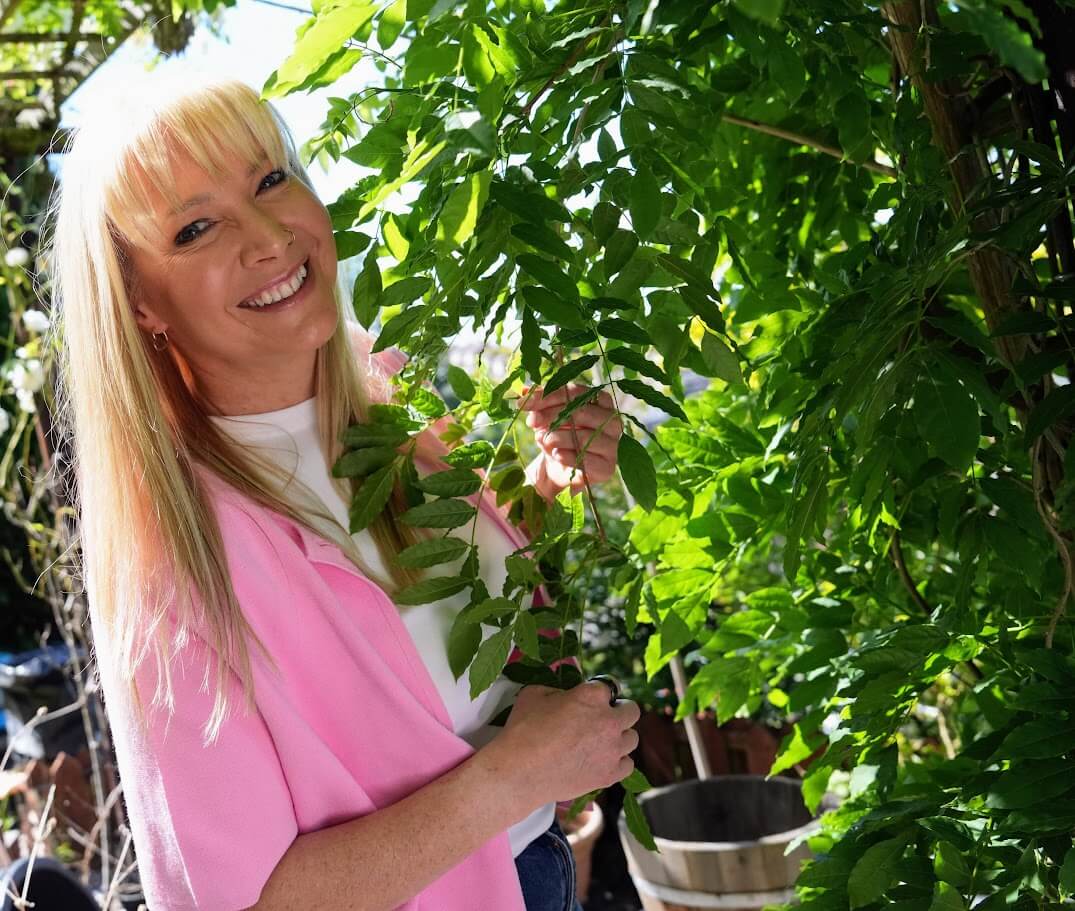
Becky Stone
Sometimes the Screen Creates Safety
People often assume therapy must be better face-to-face.
Sometimes it is.
But not always.
One thing I’ve learnt is that for some people, the computer screen actually creates safety rather than distance.
They know they’re in control.
They know they’re in their own environment.
They know they can end the call if they need to.
That small sense of control often reduces anxiety.
I’ve worked with people who have shared things online that they don’t think they could have said if we were sitting in the same room.
Rather than becoming a barrier, the screen becomes something that helps them begin trusting another person again.
Recovery Doesn’t Stop
When You Click “Leave Meeting”
This is probably one of the biggest misconceptions about online therapy.
People imagine recovery only happens during the fifty-minute session.
In reality, some of the most important recovery work happens afterwards.
Towards the end of every session I often ask:
“What do you need after today to look after yourself?”
For one person that might be eating lunch.
For another it might mean sitting downstairs with family.
Going for a gentle walk.
Completing some personalised homework.
Practising a grounding exercise.
Or sending me a quick message afterwards to help stay accountable.
Those moments matter.
Because recovery doesn’t stop when you click “Leave Meeting.”
Sometimes that’s exactly where it begins.
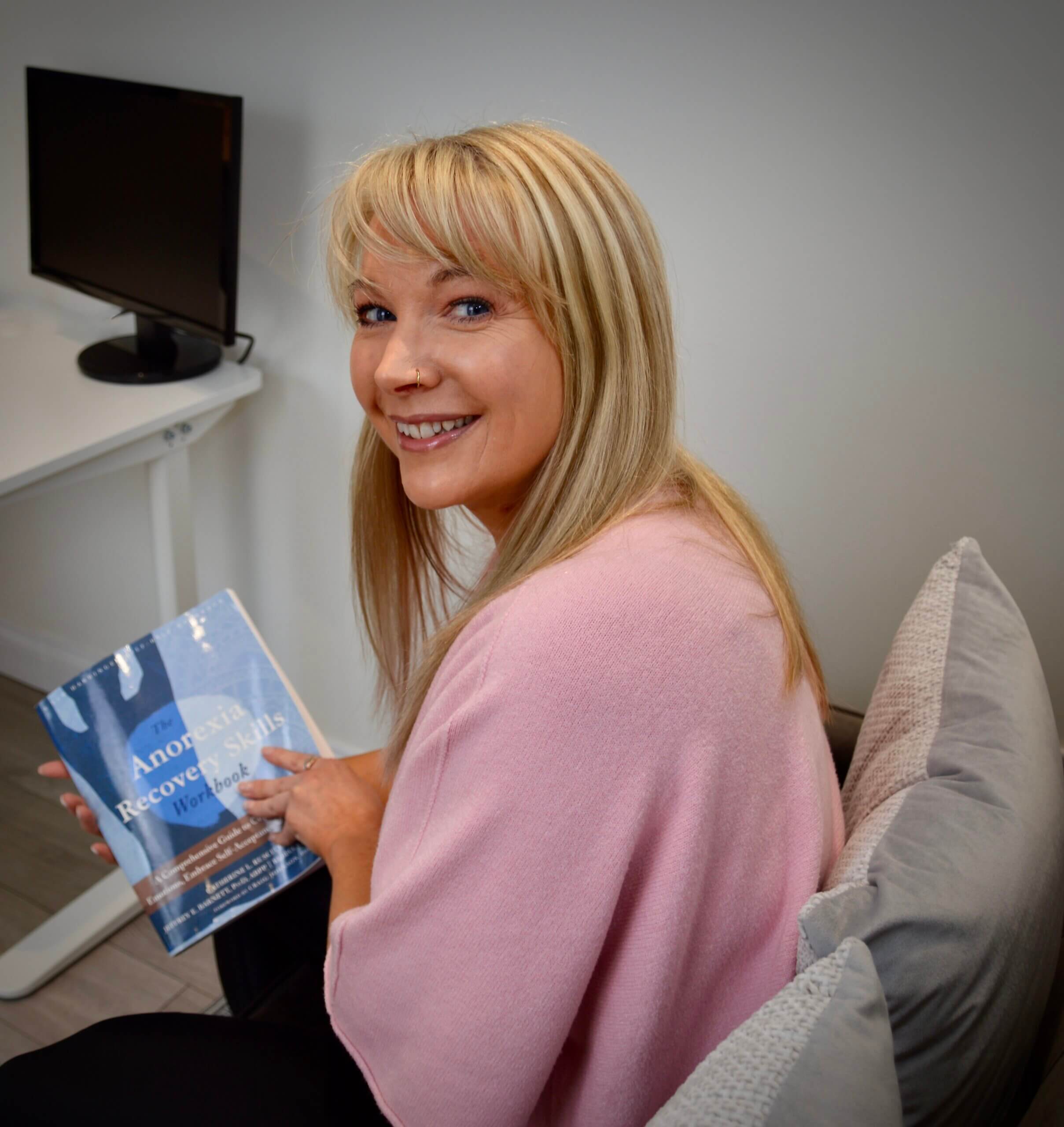
Recovery doesn’t stop when you click ‘Leave Meeting’. Some of the most important work happens in the hour afterwards.
Becky Stone
Connection Over Convenience
It’s Not About Convenience. It’s About Connection.
People often tell me they’re worried online therapy will feel less personal.
My experience has been quite the opposite.
The relationship is still at the centre of everything.
Technology simply allows us to meet.
What creates change is feeling listened to without judgement.
Feeling challenged with compassion when the eating disorder keeps you stuck.
Having someone who notices patterns you may not yet see yourself.
Having someone who celebrates the tiny victories that nobody else notices.
Those things don’t depend on sharing the same room.
They depend on sharing trust.
And that’s something we build together, one conversation at a time.
While online therapy offers flexibility, the core of its effectiveness lies in the depth of connection between therapist and client. This connection is the catalyst for change, empowering individuals to explore their vulnerabilities and triumphs in a supportive environment. It’s about being present and engaged, no matter the medium.
Start Your Journey to Recovery
About Becky Stone
Becky Stone is a dedicated therapist and qualified eating disorder counsellor based in the UK. With a deep understanding of disorders such as anorexia, bulimia, and binge eating, Becky combines her professional expertise with personal insights to offer compassionate care. She is committed to supporting both adults and teens, including neurodivergent clients, through flexible and innovative recovery tools like the Recovery Record app. Her approach is centered on rebuilding trust in oneself and fostering a healthy relationship with food, all within a safe and non-judgmental environment.
Stay Connected
If you’d like more practical advice, evidence-based information and compassionate support around eating disorders, body image, emotional wellbeing and mental health, you can follow Counsellor Who Cares across our social media channels.
I regularly share blog articles, helpful resources, professional insights and practical tips to support individuals, parents and professionals.
Follow me here:
Join My Newsletter
If you’d like new blog posts, practical guidance and supportive resources delivered directly to your inbox, you can also subscribe to the Counsellor Who Cares newsletter.
Subscribe to newsletter
Subscribe to newsletter