
My Journey Started With a Gut Feeling
Why I Chose to Become a Therapist in Canterbury
From single mum to sanctuary builder, this is how my story began.

Becky Stone
A Bit About Me as a Counsellor in Canterbury
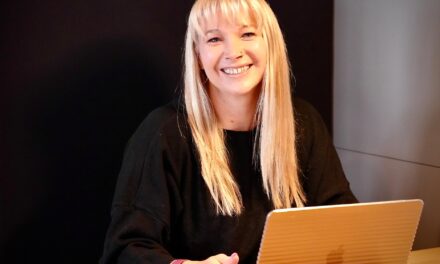
I’m Becky Stone, a qualified counsellor in Canterbury and eating disorder therapist.
I work with teens and adults, offering a calm, nonjudgmental space to explore what recovery really means on your terms.
With a background in anorexia, bulimia, binge eating and body image support, I combine professional training with lived experience.
I specialise in working with neurodivergent individuals, including ADHD, dyslexia and offer both online and walk-and-talk therapy<span class=”s2″>.
At the heart of my approach is trust, compassion, and honest connection.
Guiding Words
Struggling in School With Undiagnosed ADHD and Dyslexia
The Call That Changed Everything
Years ago, I was a single mum working at Mothercare. I had two GCSES and no clear direction, but I knew I wanted something more for myself and for my child.
I wasn’t academic. I wasn’t ‘book smart’. School had always felt like a struggle. Now I know why: I was living with undiagnosed ADHD and dyslexia. I often felt like I was on the outside looking in, clever, yes, but constantly missing the instructions everyone else seemed to understand.
One afternoon, while rummaging through recycling for a leaflet, I found a newspaper clipping about a voluntary opportunity with East Kent Rape Line. I picked it up, then put it back. Something told me to pick it back up again, and I did. That decision changed the course of my life.
I called the number, trained as a volunteer on the helpline, and, for the first time in my life, felt like I was exactly where I was meant to be.
Training to Be a Therapist in Canterbury
Finding My Voice in Canterbury
From that first voluntary role, I enrolled at Canterbury College.
I started with Level 2 Counselling. Then Level 3. Then, Level 4, the qualification that officially made me a therapist.
I did my placement at the community counselling service near the Westgate Gardens. I volunteered for hundreds of hours, offering support, compassion, and connection. I was still a student, but already helping people feel safe in their own skin.
I wasn’t just learning, I was growing. Therapy made sense to me in a way that textbooks never had. Where others might rely on formulas, I relied on instinct. I now realise that my neurodivergence is my superpower. My brain is wired to spot patterns, absorb emotions, and connect deeply.
I wasn’t built for academia, but I was made for human connection.
Finding My Confidence Through Connection
From Voluntary Work to My Own Private Practice
I went on to work with Young Healthy Minds, supporting teenagers in local schools across Kent. I learned how to navigate multi-agency systems, build rapport with vulnerable young people, and support parents just doing their best.
Eventually, I took the leap and started my own private therapy practice in Canterbury. No one taught me how to run a business, build a website, or market myself on social media, but I figured it out. Probably made a hundred mistakes along the way, but I kept going.
Showing up online, sharing my voice, putting myself out there…
It was terrifying.
But it was also empowering.
And now, I help my clients do the same.
Because that’s what therapy is:
➔ The courage to show up when you feel scared.
➔ The choice to try, even when you’re unsure.
➔ The decision to believe your life can be better.
Building a Business With No Map (But a Lot of Grit)
Canterbury is more than a location, it’s my home.
It’s where I studied, where I trained, and where I built my business.
This city held me when I felt lost; now, I can hold space for others.
I never imagined I’d one day be working as a counsellor in Kent, offering therapy from the heart of a city I love.
I’ve worked with people from every walk of life:
Students, parents, professionals, creatives, teens, teachers, and care workers.
Some have lived here forever. Some are just passing through.
But they all share something in common: they’re looking for safety, healing, and something real.
Canterbury has its quirks, its quiet beauty, its chaos. And I love all of it.
Understanding Eating Disorders
Who I Support in My Practice
I work with both adults and teenagers from age 11 upwards.
You don’t have to wait until everything falls apart.
You don’t need a crisis to deserve support.
Sometimes therapy is about understanding your past
And sometimes it’s about figuring out where the hell you go next.
I specialise in working with:
-
Neurodivergent teens and adults (including ADHD and autism)
-
People with eating disorders (including binge eating, bulimia, and restrictive eating)
-
Grief, relationship breakdowns, and life transitions
-
Low self-esteem, shame, and body image issues
Many counsellors in Canterbury work from traditional models, but my approach is relational, forward-focused, and neurodivergent-affirming. If you’re looking for a counsellor in Canterbury who truly understands what it means to struggle and rise again, I’d love to support you.
My Approach, Therapeutic Coaching
Therapy doesn’t have to feel cold, clinical, or stuck in the past.
My approach blends therapeutic depth with coaching clarity, what I call therapeutic coaching.
That means we:
-
Reflect when we need to.
-
Plan when we’re ready to.
-
Break big things into small, doable steps.
-
Work at your pace, with your goals, in your way.
You don’t have to make direct eye contact.
You don’t have to have all the right words.
You just need to be willing to explore who you are, without judgment.
What Makes My Approach Different: Therapeutic Coaching
Nervous About Starting Therapy? You’re Not Alone
That’s okay.
You’re not alone.
Most people who come to therapy are scared.
Scared they’ll be judged.
Scared they’ll cry.
Scared they’ll get it “wrong.”
But here’s the truth: there is no wrong way to show up.
You are welcome exactly as you are.
If you’re curious, that’s enough.
If you’re hurting, that matters.
I’m ready to walk with you if you’re ready to try.
There are many therapists in Canterbury, but what makes my approach different is the combination of lived experience and therapeutic coaching.