The Eating Disorder Nobody Wants to Talk About: When Parents Can’t See What’s Happening
Start Your Journey to Healing Today
Parents rarely miss the signs because they don’t care. More often, they don’t know what they’re looking for. Here’s what teachers, schools and families need to know about recognising concerns early.

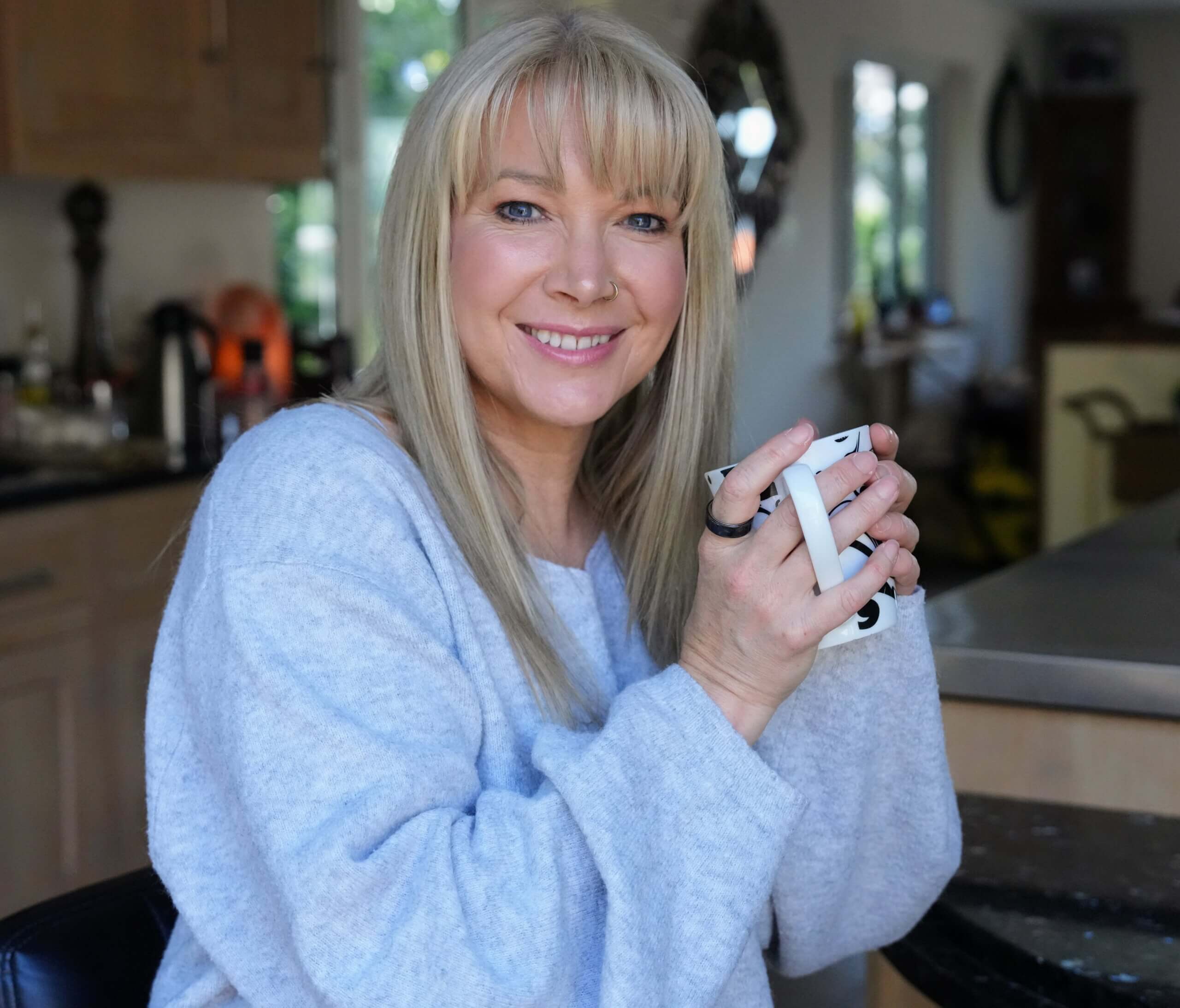
Meet Becky Stone
I’m Becky Stone, a Canterbury-based therapist specialising in trauma-informed eating disorder treatment for teens and adults.
I support people struggling with anorexia, bulimia, binge eating, body image concerns and disordered eating behaviours, both online across the UK and in person in Canterbury.
My approach is compassionate, neurodivergent-affirming and grounded in the belief that recovery is about far more than food. Together, we explore the emotional, psychological and relational factors that keep eating disorders going, helping clients build a healthier and more sustainable relationship with themselves and their bodies.
If you’re worried about your child, yourself or someone you care about, support is available
Begin Your Healing Journey
One of the most difficult situations I come across is when concerns have been raised about a young person’s eating, but the people around them genuinely don’t believe there is a problem.
As both a therapist specialising in eating disorders and someone who has personally experienced disordered eating, I understand how complex this can be.
Recently, during a discussion with eating disorder advocate Jenny Langley, we explored a question that schools ask surprisingly often:
What happens when teachers can see there is a problem, but parents don’t?
The answer is rarely straightforward.
Understanding Eating Disorders
Why Parents Sometimes Miss the Signs
Most parents are not ignoring concerns because they don’t care.
More often, they are frightened.
If acknowledging an eating disorder makes the problem real, some parents understandably find themselves avoiding the conversation altogether.
Others may genuinely believe everything is okay because they see their child eating one meal a day.
A common response is:
“But they eat dinner with us every evening.”
The problem is that dinner is only one piece of the picture.
What happened at breakfast?
What happened at school lunch?
What happened during the rest of the day?
Eating disorders are incredibly skilled at hiding in plain sight.
I know because I did it myself.
Like many people struggling with food, I showed people exactly what I wanted them to see.
I learned how to make others back off while continuing behaviours privately.
Eating Disorders Are Experts at Disguise
One thing I’ve noticed repeatedly throughout my work is that people who have experienced eating disorders often recognise the signs far earlier than those around them.
We notice:
Avoidance around food
Changes in eating routines
Excessive exercise
Food rituals
Body checking
Sudden interest in dieting
Perfectionistic behaviours
These subtle signs are easy to miss when you’re busy managing work, family life, finances and everyday responsibilities.
Parents are often juggling so much that food becomes simply:
Food in. Food out.
Fuel.
But eating disorders are rarely about food alone.

The Exercise Trap
One area that often gets overlooked is exercise.
Many parents understandably view exercise as healthy.
The problem is that healthy exercise and compulsive exercise are not the same thing.
When exercise becomes driven by fear, guilt, calorie compensation or body image concerns, it becomes a warning sign rather than a protective factor.
The key question isn’t:
“Are they exercising?”
It’s:
“Why are they exercising?”
Intent matters
WHEN FRIENDSHIPS SHAPE OUR RELATIONSHIP WITH FOOD
Schools are increasingly reporting friendship groups where disordered eating behaviours begin influencing one another.
This isn’t always intentional.
Often, young people are searching for belonging.
Many of the young people I work with are:
- High achievers
- Perfectionists
- Anxious
- Sensitive to criticism
- Struggling with self-esteem
When several young people with similar vulnerabilities come together, unhealthy behaviours can become normalised.
Comments about calories, weight, exercise and body image quickly become part of everyday conversation.
What starts as concern can gradually become culture.
The danger is that these beliefs don’t disappear when school ends.
Years later, adults often sit in my therapy room still carrying messages they absorbed as teenagers.

Understanding the Journey
Social Media Has Changed Everything
When I was younger, the obsession was the “thigh gap.”
Today, young people face something far bigger.
They are growing up in a world of:
- Filtered bodies
- Edited images
- Weight-loss medication culture
- Constant comparison
- Fitness influencers
- Body checking content
The question becomes:
What does a normal body even look like anymore?
For many young people, the answer is becoming increasingly difficult to identify.
Unveiling the Connection
The Hidden Link Between Exams and Eating Disorders
One pattern I’ve noticed repeatedly is a rise in eating disorder behaviours around exam periods.
Particularly around:
- Year 8 transitions
- GCSE preparation
- A-Level exams
Eating disorders can create a false sense of control during periods of stress and uncertainty.
At a time when young people feel overwhelmed academically, food and exercise may become something they feel they can control.
Unfortunately, this often comes at exactly the time their brains need fuel the most.
The Importance of a Morning Meal
Why Breakfast Matters More Than Most People Realise
Many young people arrive at school having eaten very little or nothing at all. During exam periods, adequate nutrition becomes even more important, helping support concentration, memory and emotional wellbeing.

This might sound simple, but it is one of the most overlooked factors.
Children cannot think effectively without adequate nutrition.
If a young person leaves home without breakfast, attends school hungry and then sits exams under-fuelled, they are already operating at a disadvantage.
Food isn’t simply energy for the body.
Food is energy for concentration, memory, problem-solving and emotional regulation.
As someone with ADHD and dyslexia, I know firsthand how dramatically nutrition affects focus and mood.
Many young people are trying to perform academically while their brains are running on empty.
What Should Teachers Do?
Teachers are often placed in an incredibly difficult position.
You care deeply, but you cannot monitor every child constantly.
What you can do is:
- Trust your instincts
- Keep accurate records
- Log concerns consistently
- Communicate concerns clearly
- Escalate safeguarding worries appropriately
- Continue conversations with parents
- Share educational resources
If your gut feeling tells you something isn’t right, don’t ignore it.
Document it.
Patterns become easier to identify when concerns are recorded over time.
The Importance of Early Intervention
Why Acting Quickly Can Make All the Difference
The reality is that eating disorder services are stretched.
However, that does not mean concerns should wait.
The earlier concerns are raised, documented and communicated, the better the outcome is likely to be.
When concerns continue despite parental resistance, safeguarding procedures may need to be followed.
No teacher should feel they are carrying that responsibility alone.
Final Thoughts
One of the most damaging things we can do around eating disorders is avoid talking about them.
Silence rarely protects people.
Compassionate conversation does.
Whether you’re a parent, teacher or professional working with young people, your observations matter.
Your concerns matter.
And sometimes the simple act of noticing and speaking up can be the first step towards recovery.
The goal is never to create panic.
The goal is to create communication.
Because eating disorders thrive in secrecy, but recovery begins when people feel safe enough to talk.

Becky Stone and Jenny Tomei
Why We Work Together
Recovery from an eating disorder is rarely just about food, and it’s rarely just about emotions either.
That’s why I often work alongside Jenny Tomei, a nutritionist, personal trainer and passionate eating disorder recovery advocate. While I focus on the therapeutic side of recovery, helping clients understand the anxiety, perfectionism, low self-worth, trauma, or life experiences that may be sitting underneath the eating disorder, Jenny provides specialist nutritional support and guidance.
One of the things we both believe is that recovery shouldn’t feel like a battle that someone has to face alone. Eating disorders affect the whole person, which means support often works best when both the emotional and practical aspects of recovery are addressed together.
Jenny helps clients rebuild trust with food, challenge food fears and understand what their body needs to heal. At the same time, I help clients explore the emotional patterns, coping mechanisms and beliefs that may be keeping them stuck.
Together, we create a joined-up approach that supports both mind and body. We’ve seen time and time again that when someone feels emotionally supported and nutritionally guided, recovery can feel less overwhelming and much more achievable.
Recovery isn’t about becoming perfect. It’s about helping people feel safe enough to reconnect with themselves, rebuild confidence and create a healthier relationship with food, their body and their future.
Nutritionist and eating disorder recovery specialist Jenny Tomei
Eating disorder recovery is most effective when both the emotional and nutritional aspects are supported. While I help clients explore the thoughts, feelings and experiences driving the eating disorder, Jenny provides specialist nutritional guidance to help rebuild trust with food and support physical recovery. Together, we offer a collaborative approach that supports the whole person, not just the symptoms.