Why do people with eating disorders isolate themselves?
Eating Disorder Isolation: Why People Pull Away From Friends And Family
Many people living with an eating disorder find themselves pulling away from friends, avoiding family meals, cancelling plans and spending more time alone. While this can look confusing from the outside, isolation is often a symptom of the eating disorder rather than a choice.
Eating disorders thrive on secrecy, shame, anxiety and control. Social situations can feel overwhelming, especially when food is involved. Many people worry about being judged, questioned or pressured to change, so withdrawing can start to feel safer than staying connected.
In this article, eating disorder therapist Becky Stone explores why eating disorders often lead to loneliness and social withdrawal. Drawing on lived experience, insights from Beat CEO Vanessa Longley, recovery advocate Jen from Ask Jen Up, and years of supporting teenagers and adults in recovery, we’ll explore why isolation happens and how connection can become an important part of healing.
The Eating Disorder Wants To Keep You Safe
Very few people wake up one morning and decide to cut themselves off from everyone.
It usually starts with one thing.
A meal out feels stressful.
A birthday party feels overwhelming.
A family gathering feels exhausting.
You tell yourself you’ll go next time.
Then next time becomes next month.
Then before you know it, your world has become much smaller.
I’ve often said that the eating disorder wants to become your best friend.
The problem is that it’s a friendship that keeps demanding more.
More control.
More rules.
More rituals.
More isolation.
Until eventually there is very little room left for anyone else.
At first, staying home feels safer.
But slowly the eating disorder becomes louder and everyone else becomes quieter.
“Logic Can’t Ever Trump Emotion”
During a recent conversation on the Jen up Podcast with Vanessa Longley, CEO of Beat, one thing she said really stood out:
“Logic can’t ever trump emotion. It never wins.”
I think this explains so much about why people withdraw.
Parents often tell me:
“But they know they need to eat.”
“They know people love them.”
“They know they’re missing out.”
And they’re right.
They do know.
But eating disorders aren’t driven by logic.
They’re driven by fear.
Fear of judgement.
Fear of losing control.
Fear of uncomfortable emotions.
Fear of change.
That’s why simply telling somebody to eat, stop exercising or stop worrying rarely works.
The eating disorder is serving a purpose, even when it’s causing enormous harm.
The Hidden Struggle of Isolation
The Handbrake Nobody Else Can See
When I was struggling with my own eating disorder, I used to describe it like having a handbrake stuck on.
I knew where I wanted to go.
I knew there was a bigger life waiting for me.
I knew there were things I wanted to achieve.
But I couldn’t move forward.
It was like somebody had pulled the handbrake up so tightly that no matter how much I wanted to move, I stayed stuck.
Recovery wasn’t about somebody magically fixing it for me.
It was about finding ways to slowly release that handbrake.
Sometimes through therapy.
Sometimes through support.
Sometimes through asking for help.
And sometimes through borrowing hope from other people until I could find my own.
You Can Walk Beside Someone, But You Can’t Carry Them
Another moment from the podcast that stayed with me was when Vanessa spoke about supporting her daughter through recovery.
She said:
“You can walk next to them, but you can’t carry them.”
I think every parent of a child with an eating disorder understands the heartbreak in that sentence.
If love alone could cure eating disorders, nobody would suffer.
Parents would move mountains.
As Vanessa beautifully described:
“You’d crawl over broken glass if it made them better.”
But recovery is something a person eventually has to step into themselves.
What parents can do is stay present.
Stay curious.
Stay connected.
Even when it feels like nothing is changing.
"You can walk next to them, but you can’t carry them."
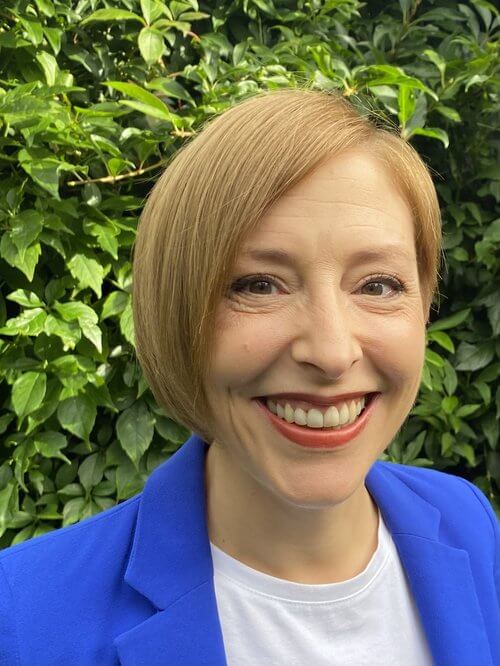
Vanessa Longley
CEO of Beat
The Strength Nobody Sees
One thing both Vanessa and Jen discussed was how many people with eating disorders are incredibly determined.
Goal orientated.
Hard-working.
Perfectionistic.
Driven.
Those qualities can become tangled up in the illness.
But they’re not weaknesses.
They’re often strengths that have been redirected in an unhealthy direction.
I often think about a school report I received years ago.
It said:
“If Rebecca stopped interfering in everyone’s lives and stopped daydreaming, she’d be an A-grade student.”
Looking back, those things became some of my greatest strengths.
The curiosity.
The ability to spot patterns.
The desire to understand people.
The daydreaming.
The connecting of dots.
Those are the very things that help me support people in recovery today.
Sometimes the things we are criticised for become the things that make us who we are.

Piecing Together Recovery
Recovery Is Like A Jigsaw Puzzle
Recovery Is Like A Jigsaw Puzzle
When I was struggling with my own eating disorder, I used to describe it like having a handbrake stuck on.
I knew where I wanted to go.
I knew there was a bigger life waiting for me.
I knew there were things I wanted to achieve.
But I couldn’t move forward.
It was like somebody had pulled the handbrake up so tightly that no matter how much I wanted to move, I stayed stuck.
Recovery wasn’t about somebody magically fixing it for me.
It was about finding ways to slowly release that handbrake.
Sometimes through therapy.
Sometimes through support.
Sometimes through asking for help.
And sometimes through borrowing hope from other people until I could find my own.
Finding Hope in Recovery
Why Hope Matters More Than We Realise
One story Vanessa shared really stayed with me.
A young girl recovering from an eating disorder spoke about wanting to visit Iceland one day.
It wasn’t Iceland that helped her recover.
It wasn’t the holiday itself.
It was hope.
It was having something beyond the eating disorder to move towards.
A future.
A possibility.
A reason to keep going.
I see this all the time in therapy.
Recovery becomes easier when life starts becoming bigger than the illness.
Not perfect.
Just bigger.
Talk Often. Not Speak Often. Talk Often.
If there was one message I would take from the entire conversation, it’s this.
Vanessa’s advice to parents was beautifully simple:
“Talk often. Not speak often. Talk often.”
Not lectures.
Not fixing.
Not interrogating.
Just genuine connection.
Talking about everyday things.
Sharing mistakes.
Creating enough safety that when something difficult happens, your child already knows you’re someone they can come to.
Because eating disorders thrive in secrecy.
They thrive in shame.
They thrive in isolation.
Connection weakens all three.
“Talk often. Not speak often. Talk often.” – Vanessa Longley
Final Reflections on Recovery
If you’ve found yourself avoiding people, cancelling plans, withdrawing from family, or spending more and more time alone, you’re not the only one.
The eating disorder may tell you isolation is keeping you safe.
But recovery often begins with one small act of reconnection.
Replying to a message.
Sitting with someone for ten minutes.
Having an honest conversation.
Letting somebody know you’re struggling.
I’ve always believed there are treasures hidden inside failure.
Sometimes the setbacks, the difficult days and the moments when we feel most stuck teach us the things we need most.
Recovery isn’t about being perfect.
It’s about staying connected long enough to discover that life can become bigger than the eating disorder.
And sometimes the bravest thing you can do is let somebody walk beside you.
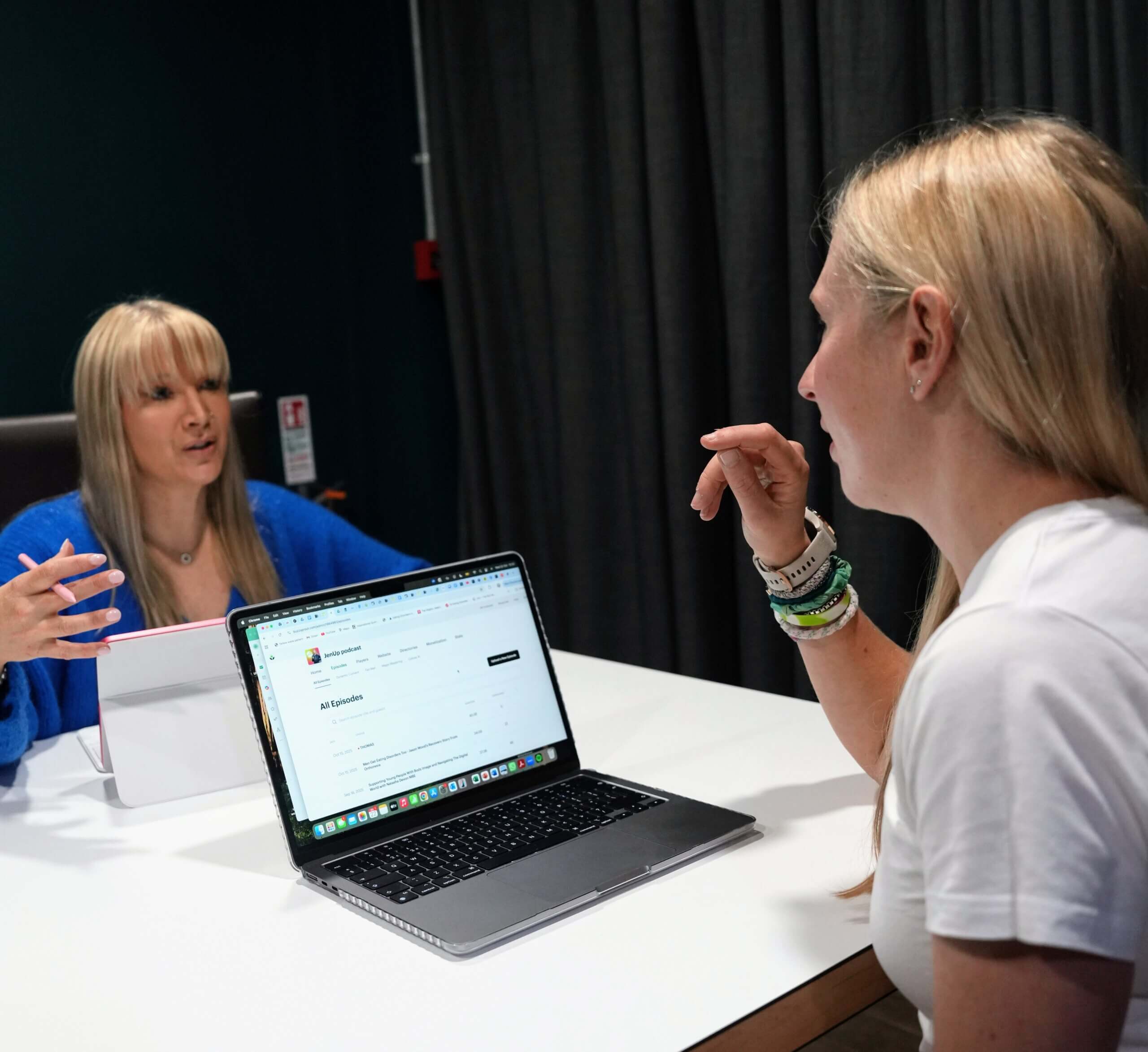
Collaborating with Jenny Tomei
Recovery from an eating disorder is rarely just about food.
For many people, recovery involves understanding nutrition, rebuilding trust with food, improving body image, managing anxiety, addressing perfectionism, and developing healthier ways of coping with life’s challenges.
That’s why I often work alongside professionals who share the same values around recovery.
One of those professionals is Jen Tomei, founder of Ask Jen Up and a specialist Nutritional Therapist supporting people recovering from eating disorders and disordered eating.
While my work focuses on the emotional and psychological aspects of recovery, including trauma, self-esteem, anxiety, perfectionism, neurodiversity, and the underlying factors that can contribute to an eating disorder, Jen specialises in helping clients rebuild a healthy relationship with food through evidence-based nutritional support.
Together, we recognise that successful eating disorder recovery often requires both emotional support and practical nutritional guidance.
As Jen often shares through her work and podcast discussions:
“Recovery is about building a life that becomes bigger than the eating disorder.”
And one of the things I often say to my own clients is:
“Recovery isn’t about becoming a different person. It’s about reconnecting with the person who was there before the eating disorder took over.”
Although we work independently, our approaches complement each other. We both believe recovery should be compassionate, individualised, and realistic rather than driven by shame, pressure, or perfectionism.
Whether someone is struggling with anorexia, bulimia, binge eating disorder, ARFID, emotional eating, body image concerns, or disordered eating patterns, having access to a range of support can make a significant difference.
Meet Jenny Tomei
Jenny Tomei | Nutritional Therapist Specialising in Eating Disorder Recovery
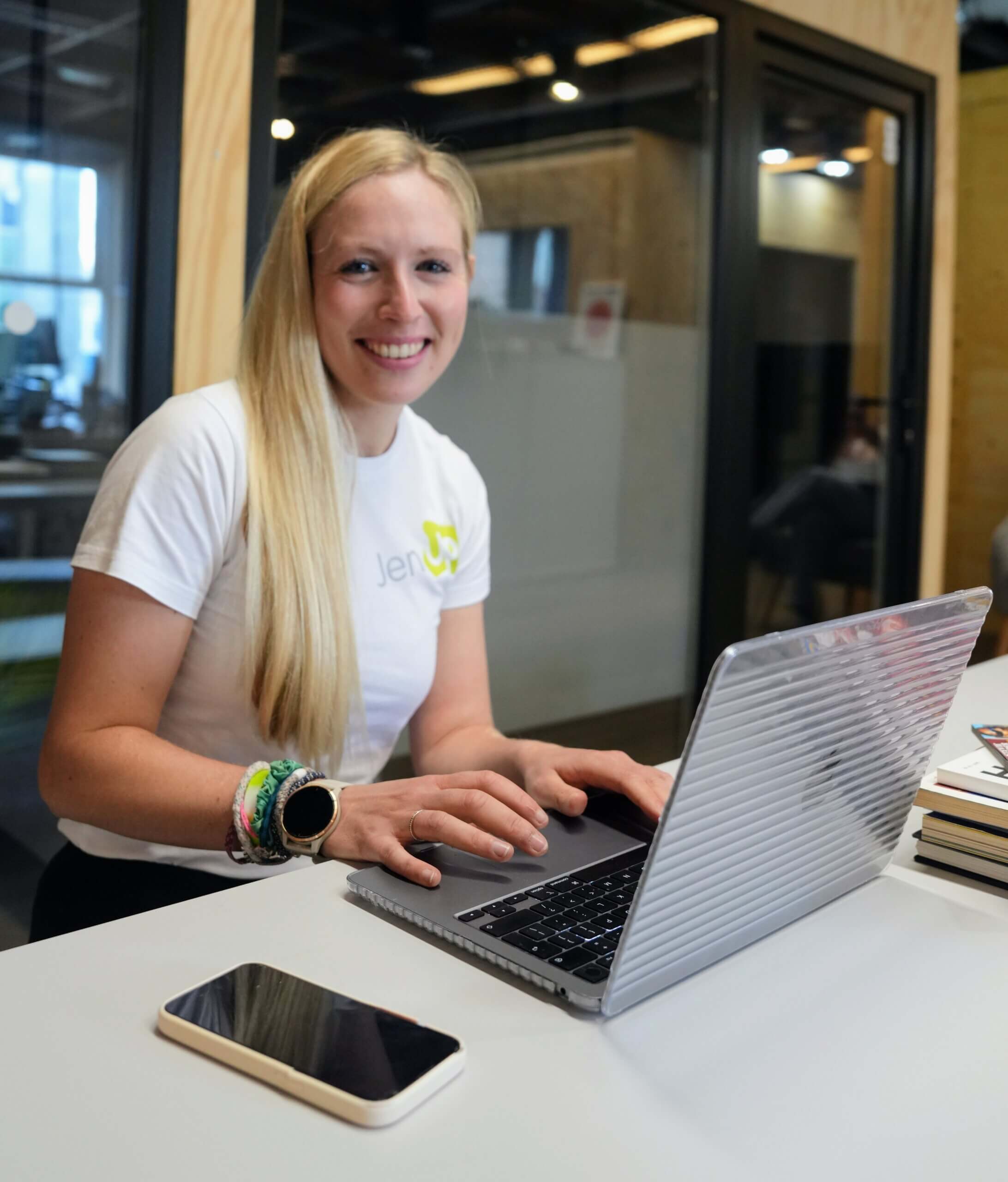
Jenny Tomei is the founder of Ask Jen Up and provides specialist nutritional therapy for eating disorders.
Drawing on both professional expertise and lived experience, Jen helps people develop a healthier relationship with food, challenge food fears, and create sustainable recovery habits that support long-term wellbeing.
Through her work, podcasts, educational resources, and nutritional consultations, Jen supports individuals and families navigating the challenges of eating disorder recovery.
Meet Becky Stone
Becky Stone | Eating Disorder Therapist Supporting Recovery and Connection
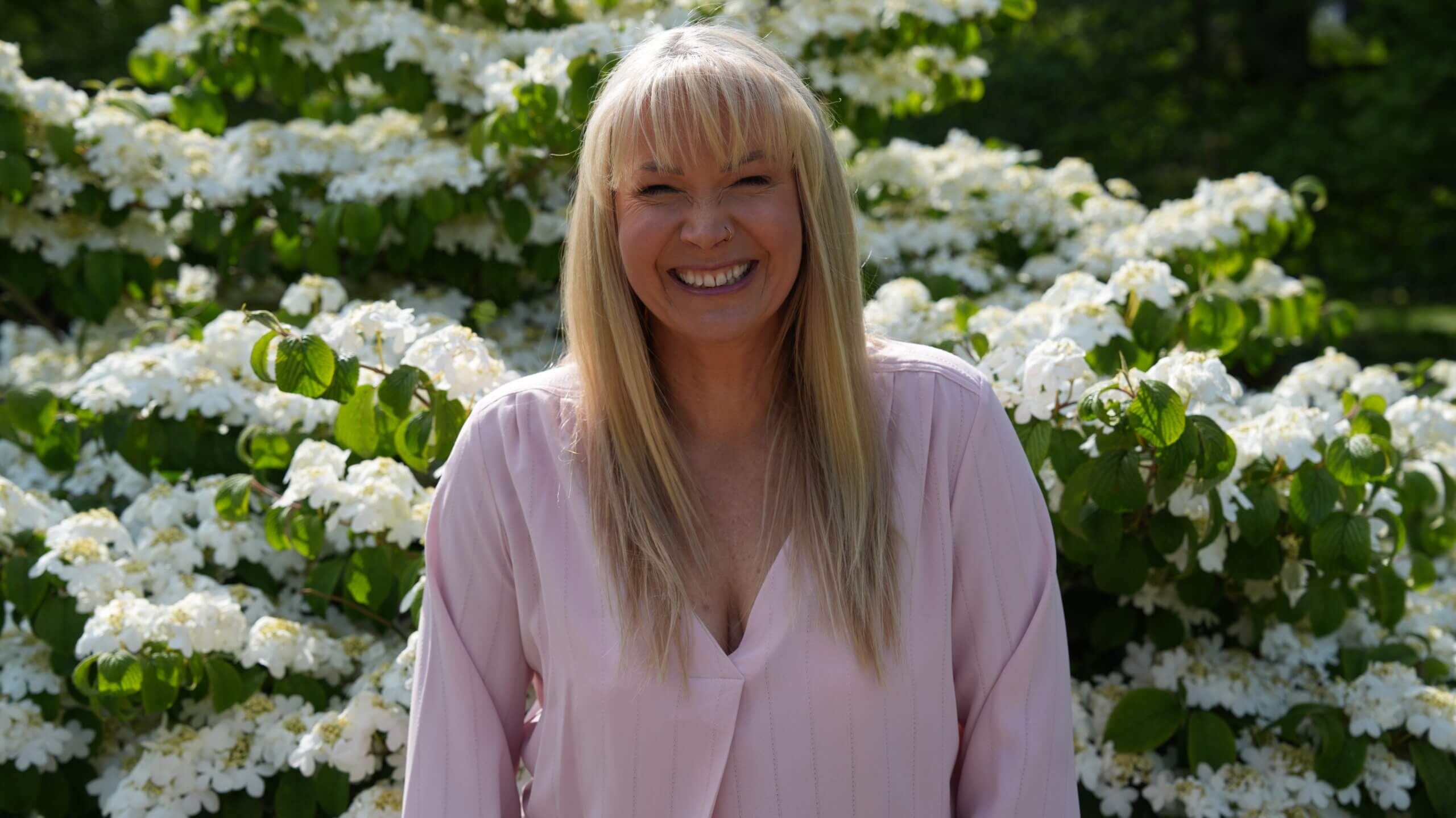
I’m Becky Stone, a qualified therapist specialising in trauma-informed eating disorder therapy in Canterbury and online across the UK.
I support teenagers and adults struggling with:
Anorexia
Bulimia
Binge Eating Disorder
Body Image Difficulties
Emotional Eating
Neurodivergent Eating Disorders
Anxiety and Perfectionism
My approach combines professional training, lived understanding of recovery, and a warm, non-judgemental environment where people can begin rebuilding trust in themselves.
You Don’t Have To Do This Alone
If you’re struggling with an eating disorder, avoiding people, cancelling plans, or feeling increasingly isolated, support is available.
Recovery doesn’t start with having all the answers. It starts with one conversation.
I offer compassionate, trauma-informed eating disorder therapy for teens and adults, helping people rebuild confidence, reconnect with others, and create a life that feels bigger than the eating disorder.
Whether you’re struggling with anorexia, bulimia, binge eating disorder, body image concerns, or disordered eating, you don’t have to face it alone.