Understanding the Impact of Weight-Loss Jabs
Weight-Loss Jabs, Hunger & Fear: What I’m Seeing in Therapy Right Now
The rise of weight-loss drugs is changing the way people feel about their bodies and their hunger.
“I’m scared of being hungry again.”
When I sit with clients now, a theme keeps coming up:
It’s something I’ve been hearing more and more since weight-loss jabs like Ozempic and Wegovy became part of the mainstream conversation. These medications weren’t designed for general weight loss, yet somehow, they’ve slipped into everyday life.
And people are frightened.
Not just of eating.
But of feeling again.
Guidance for Concerned Parents
What I’m Seeing in Therapy
Hunger isn’t just a body signal.
For many recovering from disordered eating, hunger is a trigger, a reminder of times when food felt scary or unsafe.
Now imagine switching hunger off for months.
That’s what happens on GLP-1 weight-loss drugs.
Then suddenly… it switches back on.
Many people describe it as overwhelming, intrusive, or uncontrollable.
They say things like:
➔ “My body feels loud.”
➔ “I’m scared fullness might make me spiral.”
➔ “I liked it better when I didn’t feel hungry at all.”
This isn’t vanity.
This is fear.
And fear deserves compassion, not judgment.
Understanding Trauma-Informed Therapy
How Weight-Loss Jabs Can Kickstart Eating Disorders
Something Joanna Silver from Orri said in our conversation has stayed with me:
“Being in a state of starvation can start an eating disorder, even in people who’ve never had one.”
Starvation changes your brain.
It changes your thoughts.
It changes how you see your body.
For some, weight-loss jabs reawaken an old eating disorder that had gone quiet.
For others, it creates the perfect storm:
➔ suppressed appetite
➔ fast weight loss
➔ compliments
➔ social approval
➔ pressure to stay tiny
Suddenly, “smallness” becomes addictive.
People get hooked on the feeling of disappearing.
The Cultural Shift No One Is Talking About
This is the part that scares me the most.
Some people in larger bodies now tell me:
➔ “It feels like I should be on the jab.”
➔ “People judge me for not taking it.”
As if we’ve reached a point where existing in a bigger body is unacceptable unless you’re actively shrinking it.
The moralisation of thinness isn’t new
But these new drugs have accelerated it.
We’ve moved from:
“You should lose weight…”
to
“You should take the jab, or explain why you’re not.”
That is a terrifying cultural shift.
Especially for teens.
What Parents Need to Know
Weight-loss jabs are not licensed for teenagers, but some still access them online.
Parents often feel desperate to ease their child’s distress, especially if bullying or poor body image is involved.
But here’s the truth:
✔ Puberty involves natural weight gain
✔ We don’t know the long-term effects on teens
✔ Injections can’t fix shame, trauma or low self-worth
✔ Family attitudes to food matter more than we realise
The way parents talk about their own bodies
It is often the biggest influence of all.
If you’re a parent reading this, you’re not alone, and your child isn’t broken.
They’re growing up in a very loud, very confusing world.
How Trauma-Informed ED Therapy Helps
My approach always comes back to three things:
1. Safety first, physically and emotionally
No judgement. No pressure to “get it right”.
Just a calm place to breathe.
2. Rebuilding trust with hunger
Hunger isn’t a threat.
It’s a sign of life.
Together, we learn how to:
➔ recognise different types of hunger
➔ respond without fear
➔ build a gentle structure
➔ reduce binges and restrict/binge cycling
3. Working underneath the food
Because none of this is really about food.
It’s about:
➔ shame
➔ identity
➔ trauma
➔ perfectionism
➔ the belief that being smaller = being safer
Therapy gives you the space to explore all of this without judgement.
Guidance for Concerned Parents
You’re Not Broken
Whether you’ve taken weight-loss jabs, want to stop, or feel stuck in a cycle, you are not failing.
You are living in a culture that rewards shrinking yourself.
But you are allowed to take up space.
You are allowed to eat.
You are allowed to feel.
You deserve support that sees the whole of you , not just your body.
Join Our Supportive Community
Stay informed and inspired by signing up for our newsletter. Each week, we share valuable insights on recovery, self-worth, and embracing your authentic self. Our content is designed to uplift and empower you on your journey to healing. Don’t miss out on the opportunity to receive thoughtful, trauma-informed guidance straight to your inbox.
Connect With Us
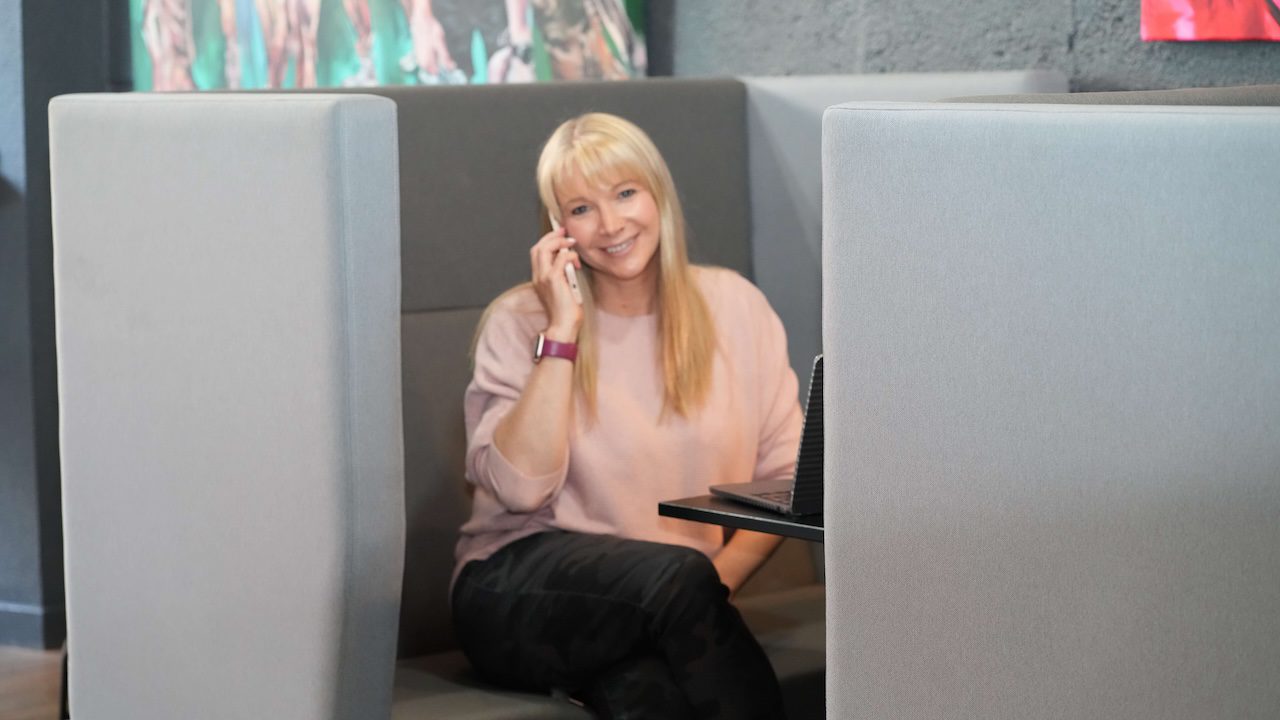
Becky Stone
I’m Becky Stone, a qualified eating disorder therapist based here in the UK. I work with both teens and adults, offering a calm, steady space where you can talk openly without feeling judged or rushed.
I specialise in trauma-informed eating disorder treatment, including anorexia, bulimia, binge eating, ARFID, body image struggles, and emotional eating. I also support neurodivergent clients, especially those with ADHD or autism, who often feel like “traditional” approaches don’t fit their brains. My work is shaped by both professional training and lived experience, so I understand how complicated and exhausting this journey can feel.
My approach is gentle, flexible, and rooted in compassion. I help you explore what recovery means for you, rebuilding trust with your body, understanding your hunger cues, creating safer routines around food, and reducing shame. At the heart of my work is helping you feel more regulated, more confident, and more connected to who you truly are.
If you’d like support, you’re always welcome to reach out. You deserve to feel safe in your body, supported in your mind, and understood for who you are.