
The quiet return of body pressure, food guilt, and wellness culture
Why Does Everyone Suddenly Feel Bad About Their Body Again?
A lot of people thought body positivity had changed things.
For a while, it genuinely felt like the conversation around bodies was shifting. There was more openness around different body shapes, more honesty about unrealistic beauty standards, and more conversations about self-acceptance.
But lately?
It feels like we’ve quietly slid backwards.
More people are talking about weight loss again. More people are obsessing over food again. More people are checking mirrors, comparing bodies online, questioning themselves after meals, or feeling guilty for eating normally.
And underneath a lot of it sits the same message we’ve heard for years:
Smaller still equals better.
Only now, it’s wearing different clothes.
Instead of openly promoting restriction, we now call it “wellness.” We call it optimisation, discipline, self-improvement, clean eating, hormone balancing, biohacking, or becoming the “best version” of yourself.
But for many people, especially those vulnerable to eating disorders, anxiety, perfectionism, or trauma, the emotional impact underneath it hasn’t changed at all.
Because this isn’t just about health.
A lot of the time, it’s about fear.

Wellness Culture, Ozempic, and Modern Body Image Pressure
The Quiet Return Of The Thin Ideal
The rise of Ozempic culture has changed things quickly.
Bodies are shrinking rapidly and publicly. Celebrity transformations are praised overnight. Thinness is becoming aspirational again in a way many people thought society had moved beyond.
And while weight-loss medication itself is more complex than internet arguments make it seem, what concerns me is the culture growing around it.
Because suddenly, being very thin again is quietly being linked to success, discipline, attractiveness, control, and worth.
Not directly.
Subtly.
Constantly.
And people absorb that whether they realise it or not.
Even people who have never struggled with an eating disorder are noticing themselves becoming more body-conscious lately. More aware of what they eat. More anxious about weight gain. More emotionally affected by comparison.
For people already in recovery from eating disorders, it can feel completely blindsiding.
Some people spent years trying to heal obsessive thoughts around food and body image, only to find the culture rewarding those same behaviours again under the label of “health.”
Restriction, Food Rules, and The Pressure To Be “Healthy
When Wellness Becomes Restriction
One of the most difficult parts of modern wellness culture is that harmful behaviours often no longer look harmful.
Restriction can now look “healthy.”
Over-exercising can look “motivated.”
Obsessive food rules can look “disciplined.”
And because it’s wrapped in health language, many people struggle to recognise when their relationship with food, exercise, or body image is becoming emotionally unhealthy again.
This is especially difficult in a world where algorithms constantly reinforce insecurity.
The more people click on body content, weight-loss content, gym transformations, “what I eat in a day” videos, or appearance-focused advice, the more they are shown it.
Eventually, it stops feeling extreme.
It starts feeling normal.
Trauma, Emotional Safety, and The Need For Control
This Isn’t Vanity. It’s Nervous-System Survival.
I think this is the part many people misunderstand.
Most people are not obsessing over food or body image because they are shallow or vain.
Very often, body control increases when emotional safety decreases.
When life feels uncertain, overwhelming, emotionally demanding, or chaotic, controlling food and appearance can create the illusion of safety, certainty, achievement, or self-worth.
For some people, shrinking themselves feels emotionally protective.
For others, pursuing “perfection” feels like a way to avoid rejection, criticism, failure, or not feeling good enough.
This is why eating disorders and disordered eating are never just about food.
They are often deeply connected to emotional regulation, trauma, identity, anxiety, control, and self-protection.
Neurodivergence, Dopamine, And The Need For Certainty
For many neurodivergent people, particularly those already vulnerable to perfectionism, anxiety, rejection sensitivity, or rigid thinking patterns, body-control systems can become especially seductive.
Not because neurodivergent people are weak or easily influenced.
But because certainty, structure, visible progress, rules, and quick feedback can feel regulating to an overwhelmed nervous system.
In a culture promising rapid transformation, instant results, and constant self-improvement, it makes sense that many people become pulled towards body control without fully realising the emotional need underneath it.
Body Image Anxiety, Wellness Culture, and The Fear Of Not Being Enough
When Did Wellness Stop Looking Alive?
This is something I keep thinking about lately.
When did “healthy” start looking exhausted?
When did wellness become so focused on shrinking, minimising, controlling, and restricting ourselves?
What happened to strength? Energy? Joy? Flexibility? Feeling present in your own life?
What happened to bodies being allowed to simply exist without constantly needing to be optimised?
There is a difference between caring for your health and living in constant fear of your body.
And many people are struggling to know where that line is anymore.
Wellness Culture, Self-Worth, and The Business Of Feeling “Not Enough"
People Profit From Insecurity
The reality is, insecurity sells.
Entire industries make money from convincing people they are one step away from finally being acceptable, attractive, confident, lovable, or enough.
There will always be another product.
Another trend.
Another transformation.
Another promise.
And when people already feel emotionally vulnerable, disconnected, lonely, overwhelmed, or not enough, those promises become incredibly powerful.
Especially when they’re marketed as self-care.
Body Image, Emotional Safety, and The Search For Self-Worth
Maybe The Real Question Is This
Instead of asking why so many people are suddenly obsessed with their bodies again, maybe we should ask:
Why are so many people feeling emotionally unsafe in themselves?
Because underneath most body obsession is usually a deeper human fear:
“If I change myself enough, maybe I’ll finally feel okay.”
And no amount of shrinking can heal that.
Some people aren’t chasing perfection. They’re trying to avoid feeling not enough.
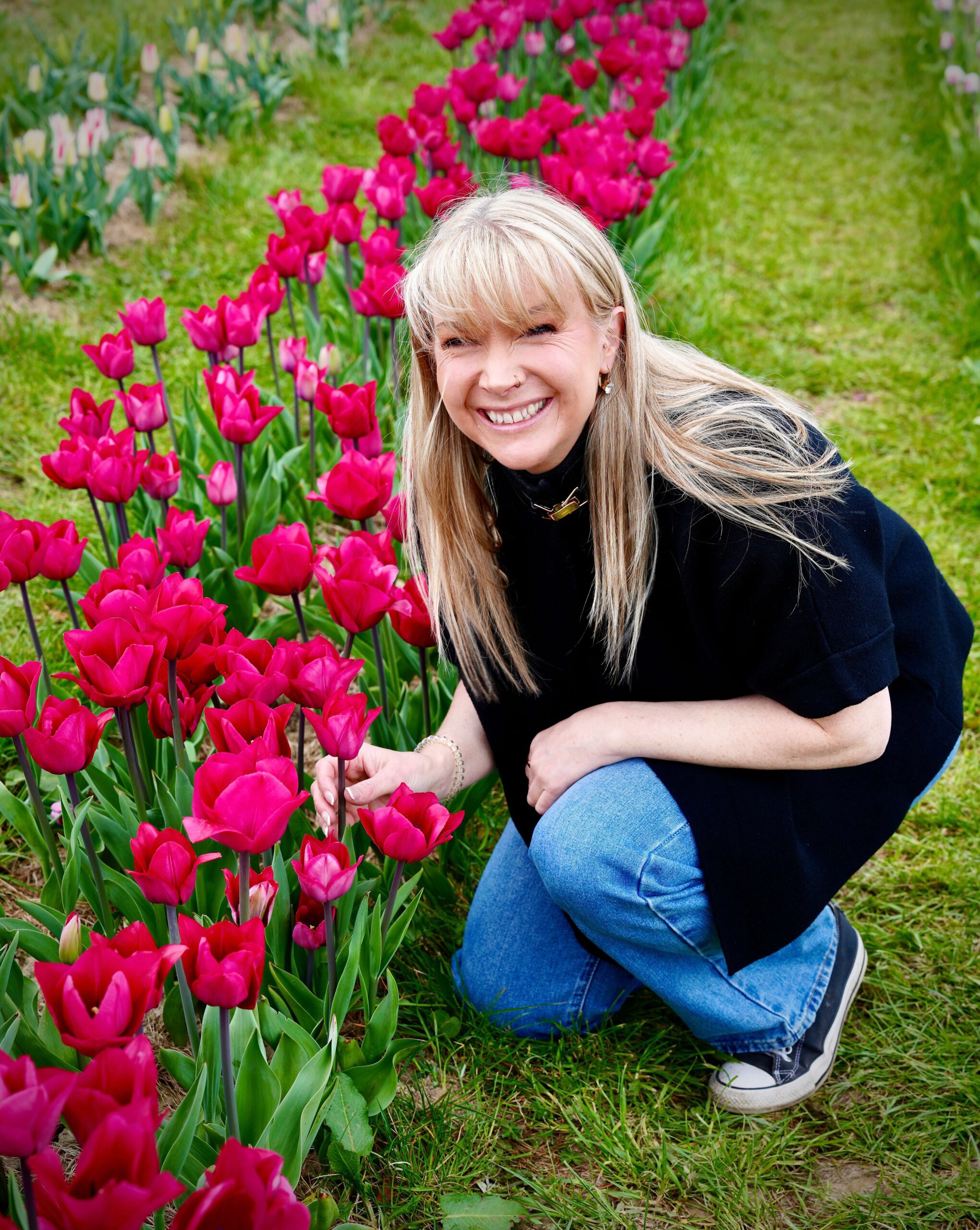
Becky Stone
I’m Becky Stone, a therapist based in Canterbury working with adults and young people struggling with eating disorders, body image, anxiety, and the emotional pressure that comes with trying to hold everything together.
A lot of the people I work with don’t feel “ill enough” to ask for help. From the outside, they often look like they’re coping. Inside, they’re exhausted from overthinking food, their body, control, or never feeling good enough.
My approach is warm, honest, and human. I’m not interested in cold therapy rooms or making people feel analysed. I focus on creating a space where people feel safe enough to be real — without judgement, pressure, or shame.
I work in a trauma-informed and neurodivergent-affirming way, supporting clients with anorexia, bulimia, binge eating, emotional eating, and difficult relationships with food and self-worth.
Alongside my professional training, I bring genuine understanding of how closely mental wellbeing, routine, movement, self-esteem, and emotional safety are connected.
Because recovery isn’t just about food.
It’s about feeling able to live again without constantly fighting yourself.
SUPPORT WITHOUT SHAME
Start Feeling Less Alone With Food, Body Image, And Recovery
If you’re feeling overwhelmed by eating, anxiety around food, binge eating, restriction, body image, or the pressure to cope perfectly all the time, you’re not alone.
I offer compassionate, trauma-informed eating disorder support for adults and teens, both online across the UK and in Canterbury.
You don’t need to have everything figured out before reaching out.