What If My Eating Disorder Isn’t ‘Bad Enough’ to Get Help?
You’re struggling. But you keep telling yourself: “Other people have it worse.”
That quiet voice is lying to you.
If you’ve ever found yourself Googling “am I sick enough?”, hiding your behaviours, or convincing yourself that you don’t need support, this blog is for you.
The Hidden Reality
The Invisible Weight of Shame
It’s a sentence I hear all the time:
➔ “I’m not sick enough for help.”
➔ “I’m just being dramatic.”
➔ “Other people have it worse than me.”
But eating disorders don’t always look like the headlines.
You don’t need to be underweight, in hospital, or showing textbook signs of anorexia to deserve support.
Some of the most dangerous and distressing eating disorders are the ones that hide in plain sight, where you’re functioning just well enough to survive, but emotionally, you’re barely hanging on.
That doesn’t make you less deserving of help. It makes your pain invisible to others, but not to you.
Origins of a Misguided Belief
What the Brain Says , A Bit of Neuroscience
Here’s what’s happening inside when you convince yourself you’re “not bad enough”:
➔ Your prefrontal cortex (rational brain) is overridden by the amygdala (fear centre), especially when shame and self-doubt are involved.
➔ The brain struggles to assess risk accurately when you’re in survival mode. So instead of reaching for help, you withdraw because minimising your pain feels safer than naming it.
➔ Over time, restriction, bingeing, and emotional eating all dysregulate the reward system and create feedback loops. This makes it harder to recognise how bad things actually are.
This is why so many people with atypical anorexia, ARFID, or binge eating disorder say:
➔ “I didn’t think I was unwell.”
➔ “I kept functioning.”
➔ “I thought it was just a bad habit.”
But functioning isn’t the same as living. And surviving isn’t the same as recovering.
“But I Don’t Look Sick”
Atypical eating disorders are still real eating disorders.
You can be:
-
Any weight
-
Any age
-
Any gender
…and still be in the grip of an ED that’s destroying your peace, your body, or your identity.
Atypical anorexia is one of the most misunderstood diagnoses, and often the most dangerous because it hides behind high achievement, masking, or “being fine.”
You might be praised for your “willpower,” your “clean eating,” or your “discipline” when in reality you’re consumed by obsessive thoughts and fear.
Permission to Heal Without Validation
Where Did the Belief Come From?
This idea that you need to prove how sick you are?
It usually comes from:
➔ Growing up in environments where feelings weren’t validated
➔ Witnessing people only getting support when they were at a crisis point
➔ Comparing yourself to extreme cases on social media
➔ Shame and secrecy, thinking your pain doesn’t “count” unless it’s visible
None of this is your fault. But it is your responsibility now to step into recovery, even if your brain still whispers: “not enough.”
The Clients Who Told Me They Weren’t “Sick Enough”
I’ve had clients enter the hospital for eating disorder treatment, still convinced they didn’t deserve to be there.
They said:
➔ “I don’t understand why I’m here.”
➔ “I’m not like the other girls.”
➔ “I didn’t think it was that bad.”
And yet, their body was shutting down.
Their mind were spiralling.
They were trapped in a cycle that felt impossible to escape.
The truth?
- If you’re suffering, that’s enough.
- If it’s affecting your life, that’s enough.
- If it’s exhausting to hide, that’s enough.
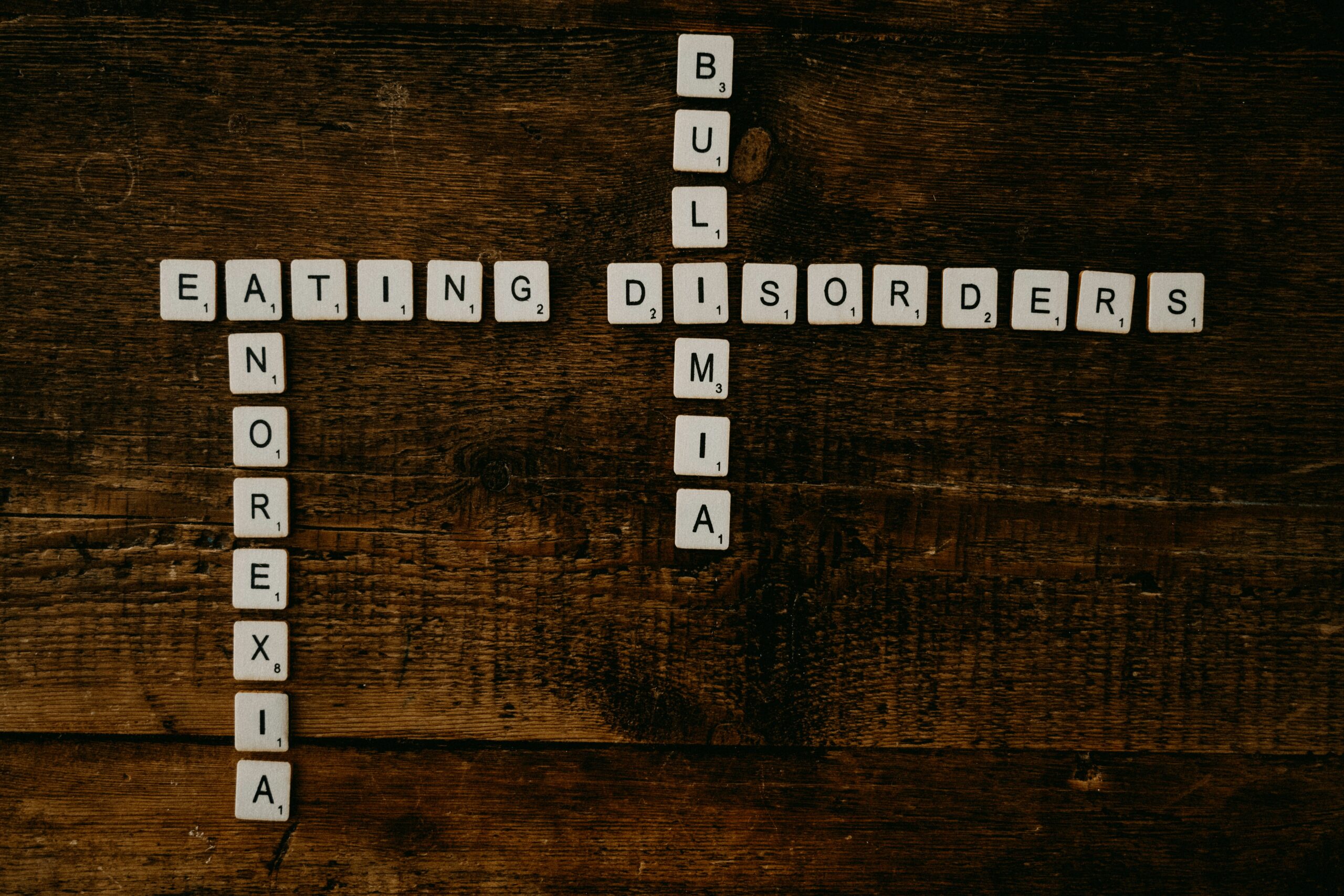
Permission to Heal – Even If You Don’t Feel “Sick Enough”
Let this be your permission slip:
✔️ You don’t have to hit rock bottom to get help
✔️ You don’t need a diagnosis to be worthy of support
✔️ You don’t need to wait until it gets worse
Recovery starts with a single act of courage, often the moment you stop comparing your pain and start acknowledging it.
Affirmations to Break the Cycle
Try speaking these aloud or writing them down:
➤ My pain is real, even if it’s invisible
➤ I don’t have to prove my suffering to get help
➤ I am allowed to take up space in recovery
➤ I am not alone, and I deserve support
➤ It’s safe for me to let go of comparison
Understanding Your Journey
If This Spoke to You, Please Don’t Wait
If you’ve read this far, you’re already aware something needs to change. That’s a powerful step.
I work with clients every day who once told themselves they weren’t “sick enough” and now they’re learning to trust food, trust their body, and trust that they matter.
Recovery isn’t about being the sickest.
It’s about knowing, deep down, that you’re worth saving.

Becky Stone
I’m Becky Stone, a qualified eating disorder therapist based in the UK. I work with both teens and adults, offering a calm, non-judgmental space to explore what recovery means, on your terms. With a background in supporting people through anorexia, bulimia, binge eating, and body image struggles, I know how complex and personal this journey can be. My work is shaped by both professional training and personal experience, which enables me to connect with clients inuthentic a genuine and a way. I specialise in supporting neurodivergent individuals, including those with ADHD and autism, and I believe in flexible, shame-free recovery.