Navigating Faith and Recovery
Balancing Yom Kippur Traditions with Eating Disorder Support
Fasting is one of the holiest traditions in Judaism. On Yom Kippur, the Day of Atonement, millions of Jewish people around the world observe a 25-hour fast, refraining from eating and drinking. For many, it’s a deeply spiritual practice, a way to reflect, connect, and repent.
But for someone living with an eating disorder, fasting can become something else entirely. The “eating disorder voice” loves an excuse to restrict food, and Yom Kippur offers the perfect disguise.
The Sacred Duty to Care
The Fine Line Between Faith and Illness
In Judaism, fasting is about spirituality, not punishment. Yet eating disorders twist that meaning. What was intended as a sacred act of reflection can become fuel for self-harm. Clients often tell me that their eating disorder voice says:
➔ “If everyone else is fasting, I can too.”
➔ “This doesn’t count as a restriction, it’s religious.”
➔ “If I eat, I’m less Jewish, less committed.”
This is not faith, it’s the illness talking. And it’s why trauma-informed support is so vital in Jewish communities.
Supporting Young Minds
Pikuach Nefesh: Life Comes First
One of the most important principles in Judaism is pikuach nefesh, which means saving a life. Jewish law makes it clear that health and safety come before fasting. If not eating endangers your wellbeing, you are not only permitted but obligated to break the fast.
That means eating or drinking on Yom Kippur is not a betrayal of your faith; it is a fulfilment of it.
Parents and Carers: How to Support on Fasting Days
If you’re supporting a young person with an eating disorder, fasting days can feel like a minefield. Here are some ways to help:
-
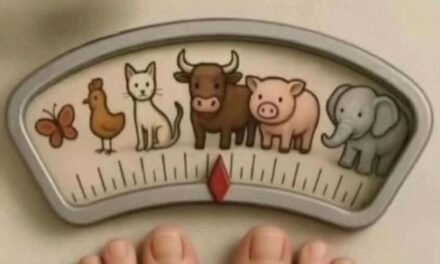
Name the elephant in the room. Acknowledge that fasting might feel “safer” for the eating disorder voice.
-
Offer alternatives. Nourishment drinks, soups, or smoothies can give energy while still feeling “light.”
-
Stay present. Share the meal with them, check in regularly, and remind them that eating is an act of courage.
-
Keep faith central. Emphasise that caring for the body is deeply Jewish, not a betrayal.
Nourishment as a Spiritual Act
The Role of Food in Jewish Tradition and Recovery
The eating disorder gremlin thrives on silence. On Yom Kippur, it whispers:
➔ “You’re stronger than others if you fast.”
➔ “Calories don’t count today.”
➔ “If you eat, you’ve failed.”
But those are lies. True strength is in choosing recovery, even when tradition makes it harder.
Therapy That Respects Faith and Recovery
Therapy That Understands Both Faith and Illness
If you’re Jewish and struggling with food, you are not alone. Many people feel caught between their religious duties and their recovery journey. My work is trauma-informed and neurodivergent-affirming, rooted in compassion rather than judgment. Together, we can:
➔ Quiet the ED voice.
➔ Create safety around Jewish food traditions.
➔ Support both faith and health in balance.

Find Support for Fasting and Eating Disorders
If you’re struggling with fasting and eating disorders, you don’t have to navigate this alone.
➔ Work with me in Canterbury or online and find recovery support that respects both your faith and your wellbeing.
Written By Becky Stone
I’m Becky Stone, a qualified eating disorder therapist based in Canterbury. I work with both teens and adults, offering a calm, non-judgemental space to explore what recovery really means, on your terms. With a background in supporting people through anorexia, bulimia, binge eating, and body image struggles, I know how complex and personal this journey can be. I specialise in supporting neurodivergent individuals, including those with ADHD and autism.