Understanding Orthorexia: A Journey to Balanced Eating
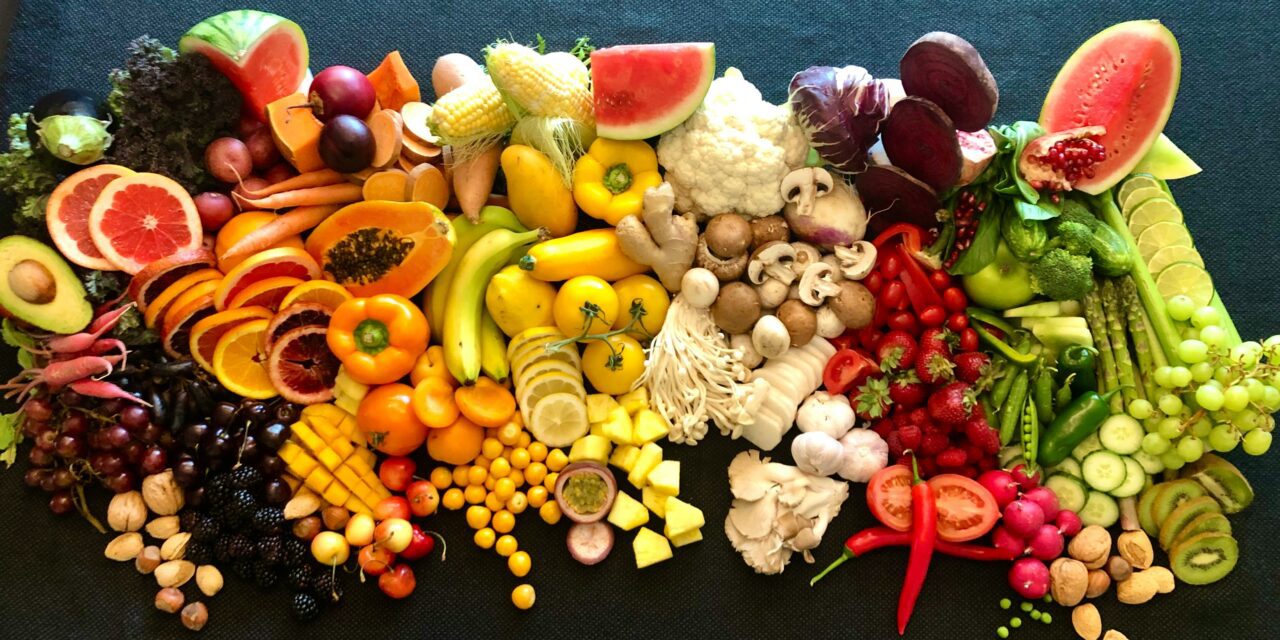
We live in a world obsessed with wellness. Green juices, macro splits, ‘clean’ snacks, and tracking every step. But what happens when healthy eating becomes harmful? In my work as an eating disorder therapist, I see a lesser-known but growing issue called Orthorexia, a fixation on food purity and health that slowly strips away joy, freedom, and self-worth.

The Hidden Dangers of Clean Eating
Recognizing Orthorexia Through Food Control
Orthorexia nervosa isn’t officially recognised in the DSM-5, but that doesn’t make it any less real. Coined by Dr. Steven Bratman in 1997, Orthorexia describes an unhealthy obsession with eating only foods deemed ‘pure’, ‘clean’, or ‘natural’.
It often begins with good intentions, such as cutting out sugar, avoiding processed foods, or following wellness influencers. But over time, those intentions become rigid rules. The result? Fear around eating, guilt after meals, and social withdrawal.
When Eating Triggers Anxiety
Can Food Trigger Panic Attacks?
We praise self-discipline and ‘being good’ with food. But orthorexia hides behind socially acceptable behaviours:
➔ Labelling food as “good” or “bad”
➔ Avoiding entire food groups (without medical need)
➔ Feeling anxious, guilty, or dirty after eating something “off-plan”
➔ Refusing to eat meals cooked by others
➔ Missing social events or isolating due to food fears
In short, it’s disordered eating in disguise, and often goes unnoticed because it masquerades as a healthy habit.
Understanding the Effects of Food Restriction
The Impact on Mental and Physical Health
Ironically, people with orthorexia can become malnourished, lacking essential nutrients due to cutting out so many food groups. It can also lead to:
➔ Hormonal imbalances
➔ Digestive issues
➔ Low energy or fatigue
➔ Menstrual irregularities
➔ Bone loss (especially in young women)
Mentally, the cost is just as high. It chips away at joy, spontaneity, connection, and self-trust.
Navigating the Path to Recovery
Orthorexia vs Other Eating Disorders
Orthorexia differs from anorexia or bulimia in focus; it’s about food quality, not quantity. But they can overlap.
Many clients I see begin with orthorexia and shift into more recognisable disordered patterns like restriction, bingeing, or purging when they can’t keep up with the rules.
It’s a slippery slope, and early support matters.
How I Help Clients Untangle from Orthorexia
As a trauma-informed therapist specialising in eating disorders, I help clients:
➔ Rebuild trust with food through intuitive eating
➔ Challenge the belief that health = moral virtue
➔ Identify the emotional roots behind control
➔ Reclaim joy, flexibility, and nourishment
➔ Develop a voice that questions diet culture
Recovery means returning to your own inner compass, not one dictated by influencers or food labels.
Embracing a New Relationship with Food
Exploring the Path to Healing
Recovery is Possible (and Messy)
You’re not broken for struggling. Orthorexia recovery is possible, but it often involves:
➔ Sitting with uncertainty
➔ Learning to hear your hunger signals again
➔ Choosing connection over control
➔ Letting go of rules that once felt safe
It’s not about swinging the other way into chaos. It’s about freedom, finding a peaceful, flexible relationship with food and your body.
Final Reflections
You Are Not Alone in Your Recovery Journey
If you’re reading this and thinking, “This sounds like me”, you’re not alone. Orthorexia is more common than most people realise, especially in today’s hyper-curated, health-obsessed world.
Therapy can help. You deserve to eat without fear. To enjoy food without guilt. To live without being ruled by rules.
Reach Out for Support Today
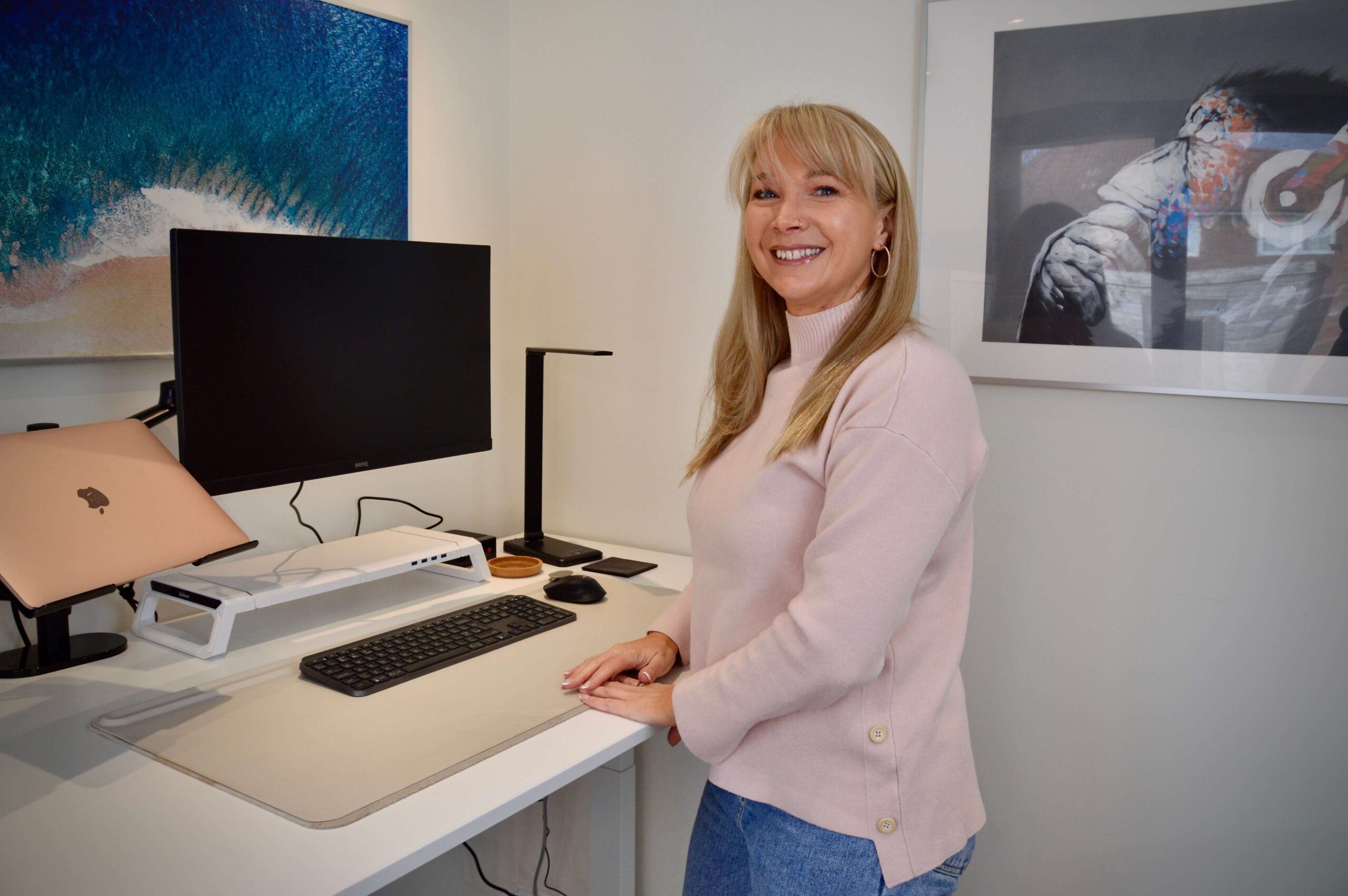
I’m Becky Stone, a qualified eating disorder therapist based in Canterbury. I work with both teens and adults, offering calm, non-judgmental support for eating disorders, body image, and neurodivergent struggles. My approach is trauma-informed and rooted in lived experience. If this blog resonated, reach out. I’m here to help.
Discover More Supportive Insights
If you found this article insightful, imagine receiving weekly guidance directly to your inbox. I share compassionate, trauma-informed advice focused on recovery, self-worth, and embracing a healthier relationship with food. No judgment, just genuine support to help you on your journey.