How to Find an Eating Disorder Counsellor in the UK (Without Waiting Months)
Realising you need help is hard. You’ve probably sat with it for longer than you’d like to admit, turning it over in your mind, wondering if it’s really “bad enough,” wondering what the next step even looks like.
And then you start searching. And it’s… a lot.
Directories with hundreds of therapists. Websites full of jargon. NHS referral forms. Waiting lists. More waiting lists. By the time you’ve spent an hour trying to work out who is actually qualified to help you, you’ve lost momentum and gone back to managing alone.
This guide is designed to cut through all of that.

Eating disorder treatment in the UK: what the numbers show
- NHS target: urgent referrals seen within 1 week
- NHS target: routine referrals seen within 4 weeks
- Around 1 in 5 people are currently waiting longer than those targets
- The waiting list only starts after a GP referral, not from when you first seek help
- Source: NHS England / Nuffield Trust, 2025
The honest truth about NHS eating disorder waiting times
If you’re considering going through your GP, it’s worth knowing what you’re walking into.
The NHS has a formal target: 95% of people referred for eating disorder treatment should begin care within one week if the referral is urgent, and within four weeks if it’s routine. Based on data from 2025, 79% of urgent cases and 83% of routine cases are actually being seen within those timelines. That means roughly one in five people are waiting longer than they should, even in urgent situations.
At any given time, there are thousands of people on waiting lists across the country. And the waiting list doesn’t start from the day you decide to seek help. It starts from the day you’re referred by your GP, which itself can take time to arrange.
Urgent vs routine referrals: what the NHS actually means
If you’re medically at risk, your GP should class your referral as urgent. If you’re struggling significantly but are physically stable, you’ll likely be classed as routine. The distinction matters because it affects how long you wait and which services are available to you.
What happens to people while they wait
This is the part that doesn’t show up in the statistics.
In my experience, by the time someone reaches me, they have often been waiting for months, sometimes longer. In that time, eating disorders don’t stay still. They deepen. They become more entrenched. Behaviours that might have been interrupted earlier become harder habits to unpick. What could have been addressed at an earlier stage has sometimes become a full clinical crisis.
Something else happens on waiting lists that is rarely talked about. Some people are told they are not sick enough to qualify for treatment. Rather than being reassuring, this can be devastating and I’ve seen first-hand how that rejection causes real harm, because the eating disorder continues to develop while the person waits to be deemed serious enough for help.
If that has happened to you or someone you love, I’ve written a dedicated guide: [Told You’re Not Sick Enough for Eating Disorder Support? Here’s What That Really Means] It covers what this assessment actually means, why it happens, and what your options are.
This is not a criticism of the people working inside the NHS. The system is under enormous pressure, and there are dedicated professionals working within it. But it is an honest picture of what the system can and cannot offer right now, and why acting early, before things reach crisis point, matters so much.
NHS vs private eating disorder counselling: a quick comparison
| NHS | Private specialist | |
|---|---|---|
| How to access | GP referral needed | Self-referral, no GP letter required |
| Waiting time | Often weeks to months | Often much shorter, varies by therapist |
| Choice of therapist | Allocated by service | You choose who you work with |
| Location | Usually catchment area only | Online access anywhere in the UK |
| Appointment flexibility | Set by the service | More adaptable to your schedule |
| Cost | Free at point of use | Paid per session |
| Can you use both? | Yes | Yes, NHS referral is not affected by private counselling |
becky stone
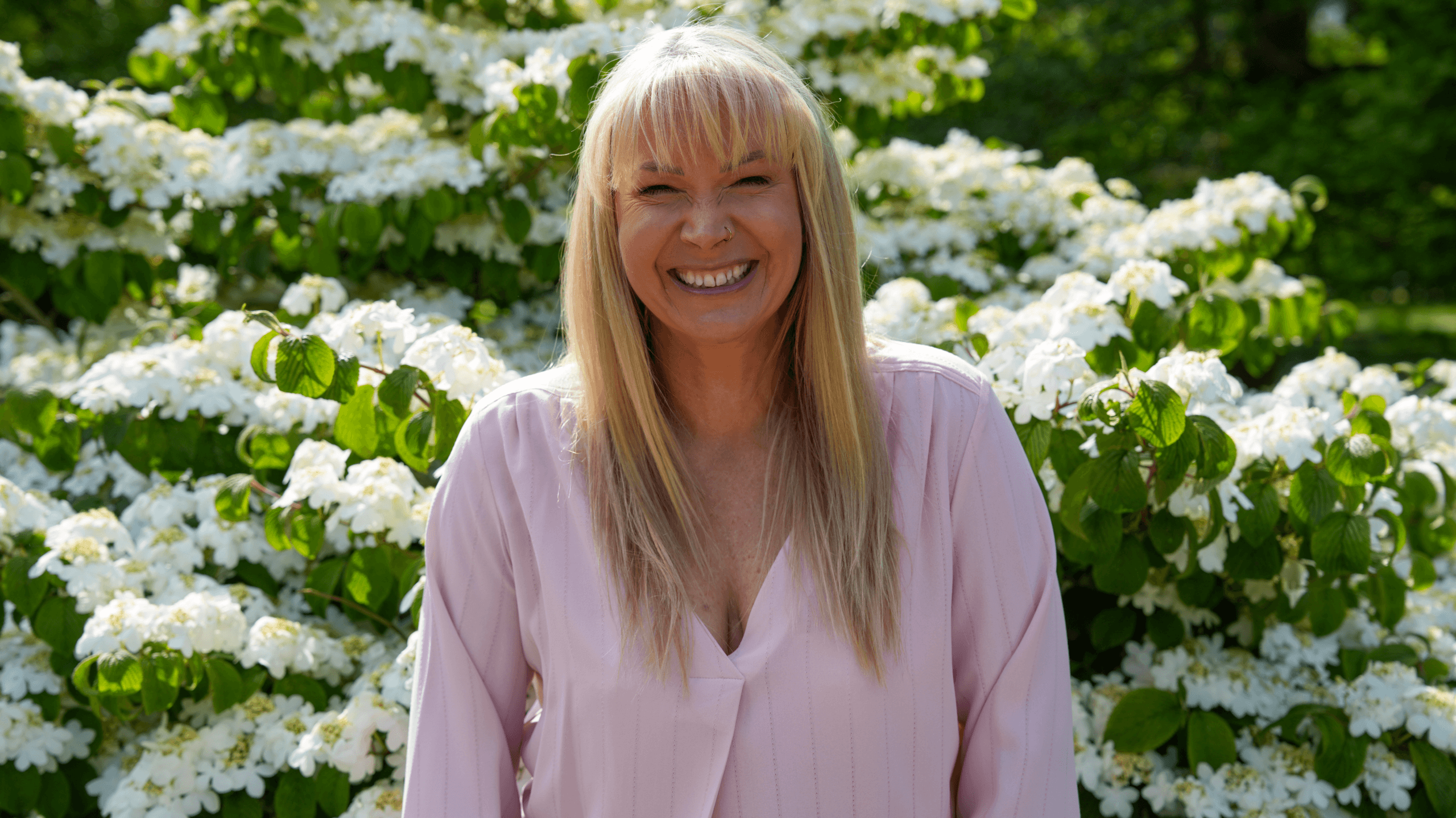
Becky Stone is an eating disorder counsellor based in Canterbury, working online with adults and young people across the UK. She has trained to Master Practitioner level in eating disorder treatment, including specialist training in the NCFED model of practice. Everything in this guide comes from direct clinical experience, not recycled advice.
Why not every counsellor is qualified to help with eating disorders
This is the thing most people don’t realise when they start searching.
Counselling and psychotherapy are largely unregulated professions in the UK. Anyone can technically call themselves a therapist or counsellor. More importantly, someone can be a fully trained, BACP-registered counsellor with years of experience and still not be appropriately equipped to work with eating disorders.
Eating disorders are complex. They sit at the intersection of psychology, physiology, emotion regulation, trauma, and identity. The approaches that work, approaches like CBT-E (enhanced cognitive behavioural therapy for eating disorders), MANTRA, or family-based treatment, require specific training that goes well beyond general counselling qualification.
Working with a generalist counsellor who hasn’t specialised in this area isn’t just potentially unhelpful. Without the right understanding of the medical risks, the psychological dynamics, or the way eating disorders function as coping mechanisms, it can delay recovery.
You deserve someone who genuinely knows this territory.
What qualifications should an eating disorder counsellor have?
Here’s what to actually look for.
Professional registration is the starting point, not the finish line. Look for a counsellor registered with one of the following bodies:
- BACP (British Association for Counselling and Psychotherapy)
- UKCP (UK Council for Psychotherapy)
- HCPC (Health and Care Professions Council) for clinical or counselling psychologists
- BPS (British Psychological Society)
Registration with these bodies means your therapist is bound by a code of ethics, has a complaints process, and must engage in ongoing professional development. It’s your basic safety net.
Beyond registration, look for specific experience. A good eating disorder counsellor should be able to tell you clearly which eating disorder presentations they work with, which therapeutic models they use, and how long they’ve been doing this work.
The difference between a specialist and a generalist
A generalist counsellor might list eating disorders as one of fifteen areas they work with. A specialist will have that as their primary or exclusive focus, will have sought out additional training, and will have a client caseload that reflects genuine experience in this area.
You’re not looking for perfect on paper. You’re looking for someone who has sat with people in the specific kind of pain you’re in and knows what they’re doing.
Where to actually find an eating disorder counsellor in the UK
Once you know what you’re looking for, these are the most reliable places to search.
BEAT’s online directory at beateatingdisorders.org.uk allows you to search specifically for eating disorder professionals. Because BEAT is the UK’s leading eating disorder charity, the professionals listed there have self-identified as working in this specialism.
The BACP therapist directory at therapist-directory.bacp.co.uk lets you filter by location, whether you want online or in-person sessions, and the issues a therapist works with. Use the eating disorder filter rather than searching broadly.
The NCFED (National Centre for Eating Disorders) at eating-disorders.org.uk has its own find-a-counsellor resource. Because the NCFED provides specialist training to practitioners, therapists listed there often have more focused eating disorder training.
Counselling Directory and Psychology Today’s UK listings are broader but let you filter by specialism. Read profiles carefully rather than just looking at photos and availability.
Word of mouth still works. Your GP surgery, a local eating disorder support group, or a trusted person who has been through this process can point you in directions that directories can’t.
Questions to ask before you book your first session
Most counsellors will offer a short initial consultation, either free or at a reduced cost. Use it. You’re not just seeing if you like them. You’re assessing whether they can actually help you.
Download the free checklist below for all ten questions. The most important ones include:
What is your specific experience with eating disorders? You want more than “yes, I work with eating disorders.” Ask which presentations they see most often, how long they’ve been doing this work, and whether they’ve received specialist training beyond their core qualification.
Which therapeutic models do you use? If you’re dealing with an eating disorder, approaches like CBT-E, ACT, MANTRA, schema therapy, or trauma-informed practice are good signs.
Are there situations where you wouldn’t be able to work with me safely? An honest counsellor will answer this question honestly. I’ll say more about my own position on this below.
What does your supervision look like? A professional counsellor in active practice will have regular supervision from a senior or specialist colleague. This protects you.
How would we know if it’s working? Good therapists think about outcomes. They won’t promise you a fixed timeline, but they should be able to describe how you’d both know the work is having an impact.
Red flags to watch out for
Not every counsellor who says they work with eating disorders is equipped to do so safely.
Any focus on weight loss. Eating disorder recovery is not about weight. A therapist who frames their work around helping you lose weight, or who makes comments linking lower weight to health or success, does not understand the territory.
Avoiding all talk of food or eating. Some generalist counsellors are so uncomfortable with eating disorder specifics that they stay entirely in the emotional realm and never address the behavioural patterns. Both dimensions matter.
Promises of fast results. Eating disorders are serious and often long-standing. A counsellor who guarantees you’ll be recovered in eight sessions is either inexperienced or overpromising.
No professional registration. Non-negotiable. If they can’t point you to a professional body they’re accountable to, move on.
Pressure to disclose more than you’re ready for in a first session. A skilled counsellor paces the work. You should never feel pushed.
What does private eating disorder counselling cost in the UK?
Private therapy costs vary depending on the practitioner’s qualification, location, and whether sessions are in person or online.
As a general guide:
- Counsellors typically charge between £50 and £90 per session
- Psychotherapists and CBT specialists tend to charge £70 to £120 per session
- Clinical psychologists may charge upwards of £120 to £180 per session
Some private health insurance policies cover eating disorder therapy. It’s worth checking your policy before assuming you’ll need to pay out of pocket. Some therapists offer a sliding scale fee. Low-cost therapy organisations also exist, though availability and waiting times vary.
Why online eating disorder counselling works
All of my eating disorder counselling takes place online, via Zoom. This isn’t a workaround. It’s a deliberate choice, and in my experience it works well.
For people in rural areas, those with a complicated relationship with leaving the house, those juggling work or caring responsibilities, or those who simply feel safer in their own space, online therapy removes a layer of difficulty that might otherwise stop them from starting. The work still happens. The connection still develops. The sessions are just as confidential and just as focused.
It also means you’re not limited to counsellors who are physically near you. If you’re searching for a specialist, the most important factor is whether someone has the right training and the right approach for your situation, not whether they happen to have an office in your town.
I work with clients across the UK. If you’re not sure whether online therapy would suit you, that’s something we can talk through in an initial consultation.
How to know when you've found the right fit
You might not know after one session. That’s normal.
I offer an initial Zoom consultation before we commit to working together. That works both ways: I want to understand what’s going on for you, and you need to feel safe enough to be honest with me. Not everyone will connect with the way I work, and that’s fine. I’m a bit like Marmite in that respect. You’ll either feel I’m the right fit or you won’t, and either outcome is genuinely useful.
That said, here’s what I’d suggest looking for in those early sessions with any counsellor: a growing sense that you can be honest in the room. That you don’t have to manage their feelings, explain yourself in the right way, or minimise what you’re experiencing. That you feel listened to rather than assessed.
The therapeutic relationship is consistently one of the strongest predictors of positive outcomes in eating disorder treatment. Qualifications matter. Experience matters. But feeling safe matters just as much. And with eating disorders especially, where so much feels private and uncomfortable to name out loud, that sense of safety is not a nice-to-have. It’s a clinical necessity.
If after three or four sessions something feels consistently off, trust that. You are allowed to find someone who fits better.
A note on who I can work with safely
I want to be honest about this, because I think it’s important.
As an eating disorder counsellor working in private practice, I have an ethical responsibility to be clear about the limits of what I can safely offer. If someone comes to me at a point where their physical health requires active medical monitoring, where their weight is below a safe threshold, and where there is no GP involvement or multi-agency support already in place, then private counselling alone is not the right environment for that level of need. Working outside those limits would not be ethical, and it would not be safe.
What that means in practice is that if you contact me, one of the first things I’ll want to understand is where you are right now, not to judge whether you’re “sick enough” (that framing is part of the problem), but to make sure I can actually provide what you need. If the right answer is that we also involve your GP, or that we work alongside other services, I’ll say so clearly and I’ll help you put that in place.
If your situation needs more intensive support than I can provide alone, I won’t simply turn you away. I’ll work with you to navigate towards the right support, even if that means pushing for what you need within a system that can feel overwhelming.
Ready to take the next step?
If you’re looking for an eating disorder counsellor who genuinely specialises in this work, I work with adults and young people experiencing anorexia, bulimia, binge eating disorder, disordered eating, and complex emotional relationships with food and body image. I have trained to Master Practitioner level in eating disorder treatment, including specialist training in the NCFED model of practice. My work is trauma-informed, compassionate, and grounded in approaches designed specifically for eating disorders.
Please note: I work three days a week and my availability is limited, particularly for after-school and early evening appointments. Before getting in touch, it’s worth checking my current availability so we can find out whether I have something that works for you. I would rather be upfront about this than have you go through the process of reaching out only to find I can’t offer the slot you need.
Check availability and book a free consultation or get in touch to ask a question first.
Eating disorders have a way of convincing people that they should wait.
Wait until things are worse. Wait until they feel more deserving of help. Wait until they reach some invisible point where it finally counts.
Recovery rarely starts because someone reached the perfect moment. It starts because they decided they didn’t want the eating disorder making the decisions anymore.
If today is the day you’ve decided to look for support, I hope this guide has made that first step a little clearer.
Frequently Asked Questions
How long do you have to wait for eating disorder treatment on the NHS?
The NHS target is for 95% of urgent cases to be seen within one week and routine cases within four weeks. Based on 2025 data, those targets are not consistently being met. Many people wait longer, and some are told they don’t meet the threshold for treatment. Private counselling is an option if you cannot wait or prefer not to go through the GP route.
How much does private eating disorder counselling cost in the UK?
Sessions typically range from £50 to £120 depending on the practitioner’s qualification and location. Some counsellors offer sliding scale fees. Some private health insurance policies include eating disorder treatment.
What qualifications should an eating disorder counsellor have?
Look for registration with BACP, UKCP, HCPC, or the BPS as a minimum. Beyond that, look for specific eating disorder training and experience, not just general counselling qualification.
Can I get eating disorder counselling online?
Yes. Online eating disorder counselling is clinically appropriate and widely available. It allows you to access a specialist anywhere in the UK.
What is the difference between a counsellor and a psychologist for eating disorders?
Clinical psychologists typically hold a doctorate and are registered with the HCPC. Counsellors and psychotherapists hold diplomas or masters-level qualifications and register with BACP or UKCP. Both can provide effective eating disorder treatment. The most important factor is their specific experience with eating disorders.
Does private health insurance cover eating disorder therapy?
Some policies do, but coverage varies. Check with your insurer directly and ask specifically about mental health cover and eating disorder treatment.
Can I have private counselling while I'm on the NHS waiting list?
Yes. Starting private counselling does not affect your NHS referral or your place on a waiting list. Many people choose to begin private sessions while waiting for NHS assessment, particularly if they feel their situation is deteriorating. You do not need to choose one or the other.
Can I refer myself for eating disorder counselling without seeing my GP?
Yes, for private counselling you can contact a specialist directly without a GP referral or letter. You simply get in touch and arrange an initial consultation. A GP referral is only required if you are accessing NHS services. That said, if your physical health is a concern, involving your GP alongside private counselling is good practice and something a responsible specialist will discuss with you.
What if I've already been turned away from NHS services?
Being told you don’t meet the threshold for NHS treatment is not a verdict on how serious your situation is. It’s a reflection of the pressure the system is under. Private counselling can be an option, and depending on your situation, working alongside your GP in a private capacity is also possible. Get in touch and we can talk through what might work for you.
Becky Stone, Eating Disorder Specialist
Becky Stone
07510 495791
Becky Stone is a dedicated therapist with a deep commitment to supporting individuals through their recovery journey. With qualifications in eating disorder counselling and personal experience, Becky offers a unique blend of professional insight and empathy. Her approach is tailored to each client’s needs, fostering a safe and non-judgmental space for healing.